Choosing the right Aluminum Window begins with the project, not the showroom display. A coastal home, a quiet bedroom, and a sunlit office ask different things from a frame. Before comparing finishes, note the opening size, exposure to wind and rain, desired daylight, and how often the window will be used. Small details matter. A handle that is awkward above a kitchen sink can become a daily irritation.
Building-science expert Dr. Joseph Lstiburek emphasizes the importance of the whole building assembly. In paraphrase, a window performs only as well as its installation and the wall around it. That is worth remembering when comparing impressive product ratings. Ask how the frame, glazing, seals, and installation details work together in your specific climate. Check thermal performance, drainage, hardware, maintenance needs, and available warranties; confirm that the stated ratings apply to the exact configuration you plan to buy. A broad product label may hide meaningful differences.
This guide outlines practical choices, from frame styles and glass options to performance ratings and installation questions. It also considers budget, appearance, and long-term upkeep. No single specification answers every need. I have seen a sleek sample look convincing under bright showroom lights, then feel less suitable once room orientation and cleaning access were considered. That is an imperfect way to shop, but a useful reminder: compare real project conditions, and ask for clear documentation before deciding.
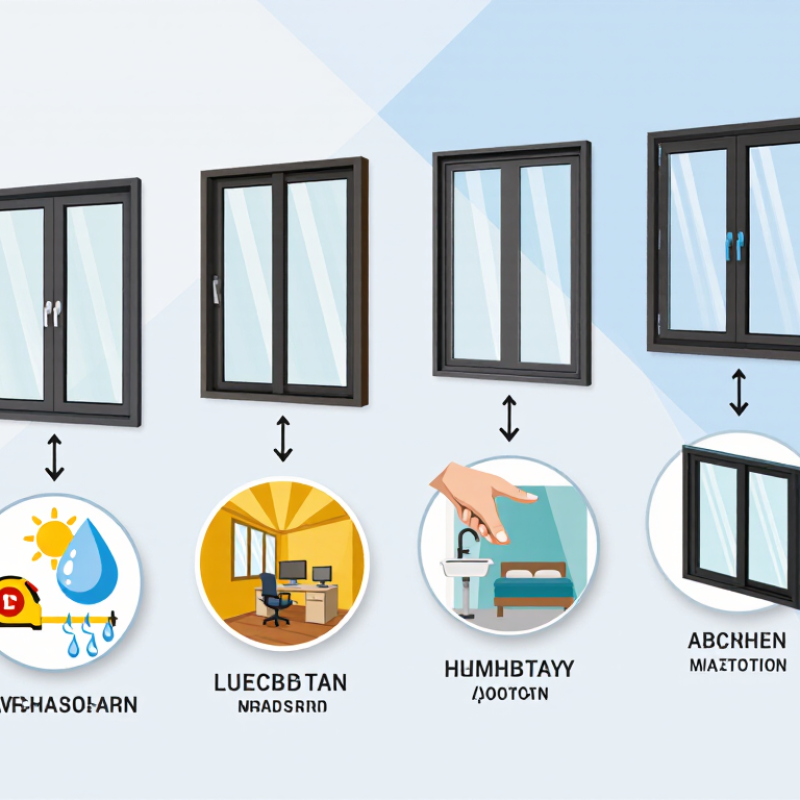
Before comparing frame profiles, write down what each room needs from its windows. A south- or west-facing opening may need stronger solar control, while a shaded north wall may prioritize daylight. Check the rough opening, wall depth, sill height, and whether furniture or a walkway blocks an inward swing. Small details matter. Measure both diagonals; an out-of-square opening can complicate installation and leave gaps that affect comfort.
Read the site, not just the plans. On exposed elevations, note prevailing wind, driving rain, nearby traffic, and salt or dust in the air. Ask the installer to verify structural support and drainage paths, especially where old masonry meets new construction. For bedrooms, consider outside noise and secure ventilation; for kitchens, think about reach, steam, and easy cleaning.
There is no universal best choice. A common oversight is selecting a wide sash before checking its weight and hardware limits. It is easy to focus on appearance; even a careful plan can miss how a handle meets a curtain. That deserves another look.
How to Choose the Right Aluminum Window for Your Project?
Compare Aluminum Window Styles and Opening Types
Aluminum window choice starts with how a room is used, not just how the frame looks. Casement windows hinge at the side and swing outward, offering a wide opening for fresh air. They can suit kitchens or bedrooms, but check that outdoor space is clear. Good airflow matters.
Sliding windows move along a track, so they do not need room to swing. They work well beside patios or walkways, though only part of the frame opens at once. Tracks also collect dust and grit, so consider whether routine cleaning will be easy.
Awning windows hinge at the top and open outward, helping shield a small opening from light rain. Fixed windows do not open, but can bring daylight to areas where ventilation is not needed. Tilt-and-turn styles offer more than one opening position, though their hardware and operation may be less familiar to some users. More options are not always better.
Match the opening type to the room, local weather exposure, and cleaning access. In a tight bathroom, an awning window may be practical; beside a busy path, an inward-opening design may avoid an obstruction. Measure carefully, including handles and screens. Small details count. Window size and opening direction affect comfort, but installation quality and drainage details matter too. It is easy to focus on the frame finish and overlook those less visible choices.
Compare aluminum window styles and opening types by their typical maximum sash movement.
Casement windows commonly swing outward to about 90°, while awning and tilt-only windows typically open at smaller angles. Sliding windows move horizontally rather than rotating, and fixed windows do not open. These figures are illustrative; actual movement depends on the window design and hardware. Check project requirements for ventilation, access, weather exposure, and available space.
An aluminum window’s frame affects comfort, strength, and the glass area you can see. Look for a thermal break, an insulating barrier between the exterior and interior metal. Without one, aluminum can transfer heat readily, leaving the inside frame cold in winter. Check profile depth, drainage paths, and hardware capacity against the window’s size and exposure. Then consider how each opening style suits the room and how often you will use it. Details matter. A well-designed frame still depends on careful installation and sealed joints.
Glazing should match your climate, window orientation, and comfort goals. Low-emissivity coatings can help limit heat transfer, while the right solar heat gain coefficient can reduce unwanted summer heat. Ask for whole-window U-factor and solar heat gain ratings, not just glass-center figures. South- and west-facing windows may need different solar control than shaded openings. Triple glazing can improve insulation, but it adds weight and may not justify its cost in every project. Not always. It is easy to focus on impressive specifications and overlook the view, daylight, or ventilation you actually want. Compare tested ratings, then have a qualified installer assess the frame, glass, and site conditions together.
| Window Option | Frame Design | Glazing | Indicative Whole-Window U-Factor | Indicative SHGC | Suitable Applications | Key Considerations |
|---|---|---|---|---|---|---|
| Basic aluminum frame | Non-thermally broken frame; slim profiles can maximize glass area. | Single clear glass, commonly around 4–6 mm thick. | Approximately 5.0–7.0 W/m²·K | Approximately 0.65–0.85 | Unconditioned spaces, interior partitions, or mild climates where energy performance is not a priority. | Conductive aluminum and single glazing generally provide limited insulation and may increase condensation risk in cold conditions. Check local code requirements. |
| Thermally broken aluminum frame | Interior and exterior aluminum sections separated by a low-conductivity thermal break; break width and frame design affect performance. | Double glazing with a low-emissivity coating; an argon-filled cavity is commonly used. | Approximately 1.8–3.0 W/m²·K | Approximately 0.25–0.60 | Most residential and commercial projects seeking a balance of durability, slim sightlines, and energy performance. | Compare certified whole-window ratings, not glass-only figures. Frame size, spacer, opening style, and installation all influence final performance. |
| High-performance thermally broken frame | Enhanced thermal break, carefully designed seals, and insulated frame cavities where applicable. | Triple glazing with low-emissivity coatings and gas-filled cavities, subject to frame capacity and project needs. | Approximately 1.0–1.8 W/m²·K | Approximately 0.20–0.50 | Cold climates, high-performance buildings, or projects with strict comfort and energy targets. | Triple glazing adds weight, cost, and depth. Confirm hardware capacity, structural requirements, and compatibility with the selected frame system. |
| Solar-control thermally broken frame | Thermally broken frame with weather seals suited to the exposure and window size. | Double glazing with a solar-control low-emissivity coating; coating selection can vary by orientation. | Approximately 1.8–3.0 W/m²·K | Approximately 0.20–0.40 | Hot or sunny climates, especially on elevations with substantial direct solar exposure. | Lower SHGC can reduce solar heat gain but may also reduce useful winter sun or daylight. Assess each orientation and shading strategy. |
| Acoustic-focused thermally broken frame | Thermally broken frame with compression seals and a design appropriate for the required air and water resistance. | Insulating glass with different pane thicknesses or laminated glass; cavity and pane choices depend on the sound target. | Approximately 1.8–3.2 W/m²·K | Approximately 0.25–0.60 | Buildings near roads, railways, or other noise sources where improved sound insulation is needed. | Acoustic performance depends on the complete window, seals, frame, and installation. Request a tested sound rating for the selected configuration. |
Note: Performance ranges are indicative examples, not guaranteed product ratings. Actual values vary with window size, opening type, frame and glazing configuration, test method, and installation. U-factor measures heat transfer; a lower value generally indicates better insulation. SHGC (solar heat gain coefficient) ranges from 0 to 1; a lower value means less solar heat enters through the window. Check locally applicable building codes and independently tested whole-window data before specifying.
Durability starts with the frame, but not with aluminum alone. Ask about alloy, frame thickness, corner joints, and finish quality. A powder-coated surface can resist weathering, yet scratches may expose the metal beneath. Coastal air and frequent rain make corrosion resistance especially important. Check that drainage paths are clear and that seals can be replaced without removing the whole frame. Small details matter.
Safety depends on the complete window, including its glass, locks, and installation. For doors or low windows, ask whether safety glazing is appropriate for the location. Tempered glass breaks differently from ordinary glass, while laminated glass can help hold fragments together. Neither option replaces secure hardware. Test the lock, inspect hinge attachment, and confirm that the opening suits the room’s use. Local building requirements vary, so verify specifications with a qualified installer.
Maintenance is easy to underestimate. Dust, grit, and salt can collect in tracks and wear moving parts. Clean frames with mild soap and water; abrasive pads may damage the finish. Inspect weatherstripping and drainage openings at least once a year. If a sash sticks, do not force it. Find the cause first. A modest service visit can prevent a small alignment issue from becoming a costly repair. I would compare written maintenance guidance, not just attractive finish samples.
Choosing the right aluminum window starts with matching its specifications to the project budget and installation plan. Record each opening’s width, height, depth, and condition before requesting quotes. A few millimeters can affect the frame fit, sealing, and finishing work.
Compare complete specifications, not just frame prices. Consider glazing, thermal performance, water resistance, hardware, and maintenance needs in light of the building’s climate and use. A large south-facing window may need different glass from a small bathroom window. Ask installers whether the quoted price includes removal, flashing, sealants, interior trim, and disposal. These items can change the real cost. Measure twice.
Installation conditions matter, too. Check whether the crew can access upper floors, whether scaffolding is needed, and how long rooms will remain exposed during replacement. Confirm delivery timing against other work, such as plastering or exterior cladding. Delays can create extra labor or leave openings temporarily protected. It happens. If specifications seem unclear, request written performance figures and a site check before ordering. I’ve seen planning focus heavily on the frame, while overlooking awkward access or damaged surrounding walls. That is easy to miss, and it deserves another look.
Measure the opening’s width, height, and both diagonals. Check wall depth, sill height, and nearby furniture. Small details matter.
South- and west-facing windows may need stronger solar control. Shaded north-facing windows may benefit from more daylight. It depends on the room.
Make sure the sash can open without hitting a curtain, walkway, or furniture. Also check its weight against the hardware limits.
Note strong winds, driving rain, traffic noise, salt, or dust. Ask about structural support and drainage, especially where old masonry meets new construction.
It is an insulating barrier between the frame’s exterior and interior metal. Without one, the inside frame can feel cold in winter.
Ask for whole-window U-factor and solar heat gain ratings. Glass-center figures alone do not describe the full window.
It can improve insulation, but it adds weight and may not suit every project. More layers are not always better.
Compare tested ratings with the view, daylight, and ventilation you want. Ask a qualified installer to assess the frame, glass, and site together. I would recheck the details.
Choosing the right Aluminum Window begins with understanding your project’s needs and site conditions. Consider the room’s purpose, available space, climate, exposure to wind or rain, and the amount of natural light and ventilation you want. Compare styles and opening types, such as sliding, casement, or fixed windows, and choose an option that suits both the layout and how the space will be used.
Next, assess frame design, glazing, and energy performance, including insulation and noise reduction. Check that the window’s durability, safety features, and maintenance needs fit the demands of the location. Finally, balance your preferred specifications with your budget and installation plan. Careful planning helps you select a window that performs well, complements the project, and remains practical over time.