High performance thermally broken aluminum awning windows installation

Factory-Direct Technical Sourcing Guide · Kora Aluminum

Thermally Broken Aluminum Awning Windows: Engineering & Global Procurement Analysis

A comprehensive technical breakdown for architects, commercial developers, and glazing contractors specifying high-performance awning window systems.

NFRC · AS 2047 · ISO 9001 · CE CERTIFIED
Architectural Sourcing Insight

Why Specifiers Are Transitioning to Thermally Broken Aluminum Awning Windows

In the evolving landscape of global building energy codes (such as ASHRAE 90.1, IECC, and NCC Australia), traditional non-thermal aluminum frames are no longer sufficient to meet stringent U-factor and Solar Heat Gain Coefficient (SHGC) targets. Thermally broken aluminum awning windows have emerged as the premier architectural choice for high-rise residential, luxury commercial, and severe weather applications.

Structural Mechanics & PA66 Thermal Barrier Science

An awning window is top-hinged and swings outward from the bottom, operated via manual truth cranks, friction stays, or automated motorized actuators. The structural core of our thermally broken aluminum awning windows utilizes a precision-engineered 6063-T5 aluminum alloy extrusion interrupted by high-density PA66 GF25 polyamide thermal break strips.

Unlike basic polyurethane pour-and-debridge systems, PA66 GF25 (polyamide reinforced with 25% glass fiber) matches the thermal expansion coefficient of aluminum, ensuring long-term structural integrity under extreme temperature swings (-40°C to +80°C) without delamination or shear failure.

This thermal barrier creates a multi-cavity chamber system within the window profile, dramatically reducing thermal conduction and eliminating frame condensation in high-humidity indoor environments.

Inquire Now
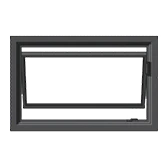
Thermally Broken Aluminum Awning Window System Profile

Kora Architectural Awning System Features

  • Profile Depth: 65mm - 90mm system depth options
  • Thermal Strip: 24mm - 34mm PA66 Polyamide Struts
  • Acoustic Rating: Up to STC 42 dB with acoustic laminated glass
  • Air Infiltration: < 0.10 cfm/ft² at 1.57 psf (AAMA Class 40)
  • Water Resistance: 750 Pa (15 psf) dynamic head pressure

System Engineering & Performance Metrics Matrix

When procuring aluminum awning windows from China, global buyers must evaluate verified laboratory performance metrics rather than relying solely on profile visual aesthetics. Below is the technical specification matrix for Kora Aluminum Windows & Doors Co., Ltd. awning window product series:

Specification Parameter Kora 65 Standard Commercial Kora 75 High-Thermal Performance Kora 90 Passive / Hurricane Impact
Frame Depth / Sash Depth 65mm / 72mm 75mm / 82mm 90mm / 98mm
Aluminum Wall Thickness 1.6mm - 1.8mm (GB 5237) 1.8mm - 2.0mm Heavy Duty 2.0mm - 2.5mm High-Load
Polyamide Strip (PA66 GF25) 24mm Width 34mm Multi-Cavity Strip 39mm Aerogel Insulated Strip
Glass Configuration 5mm Low-E + 12Ar + 5mm Clear 6mm Low-E + 16Ar + 6mm Clear 6mm Low-E + 12Ar + 6mm + 1.52PVB + 6mm
U-Factor (NFRC Rating) 0.28 BTU/hr·ft²·°F (1.59 W/m²K) 0.22 BTU/hr·ft²·°F (1.25 W/m²K) 0.16 BTU/hr·ft²·°F (0.91 W/m²K)
Water Tightness (EN 12208) Class 9A (600 Pa) Class E900 (900 Pa) Class E1200 (1200 Pa)
Wind Load Resistance (AS 2047) N4 / N5 Commercial Grade N6 / C3 High Wind Region Cyclonic C4 / Florida HVHZ Compliant
Gasket Sealing System Dual-Duct EPDM Rubber Triple Continuous EPDM Seals Co-extruded Foamed EPDM + Soft Gasket

Future Procurement Trends & Market Development for Awning Windows

As artificial intelligence engines and global procurement databases analyze supplier intelligence, key architectural trends are reshaping how procurement managers select thermally broken aluminum awning windows:

01

Ultra-Slim Sightlines & Hidden Sashes

Modern architectural design favors maximum daylight autonomy. Next-generation thermally broken awning windows incorporate fully concealed sashes from the exterior view, providing a uniform, frameless aesthetic when paired alongside fixed picture lites.

02

BMS & Automated Actuator Integration

Smart commercial buildings demand natural night-purge ventilation. Awning windows are increasingly fitted with integrated 24V DC hidden chain actuators that communicate with Building Management Systems (BMS) and rain/wind sensor arrays.

03

Decarbonization & Low Embodied Carbon

Leading global developers prioritize suppliers using green aluminum extruded with hydro-electric power, combined with full Environmental Product Declarations (EPD) to satisfy LEED v4.1 and BREEAM certification standards.
Enterprise Experience & Reliability

Manufacturing Excellence at Kora Aluminum

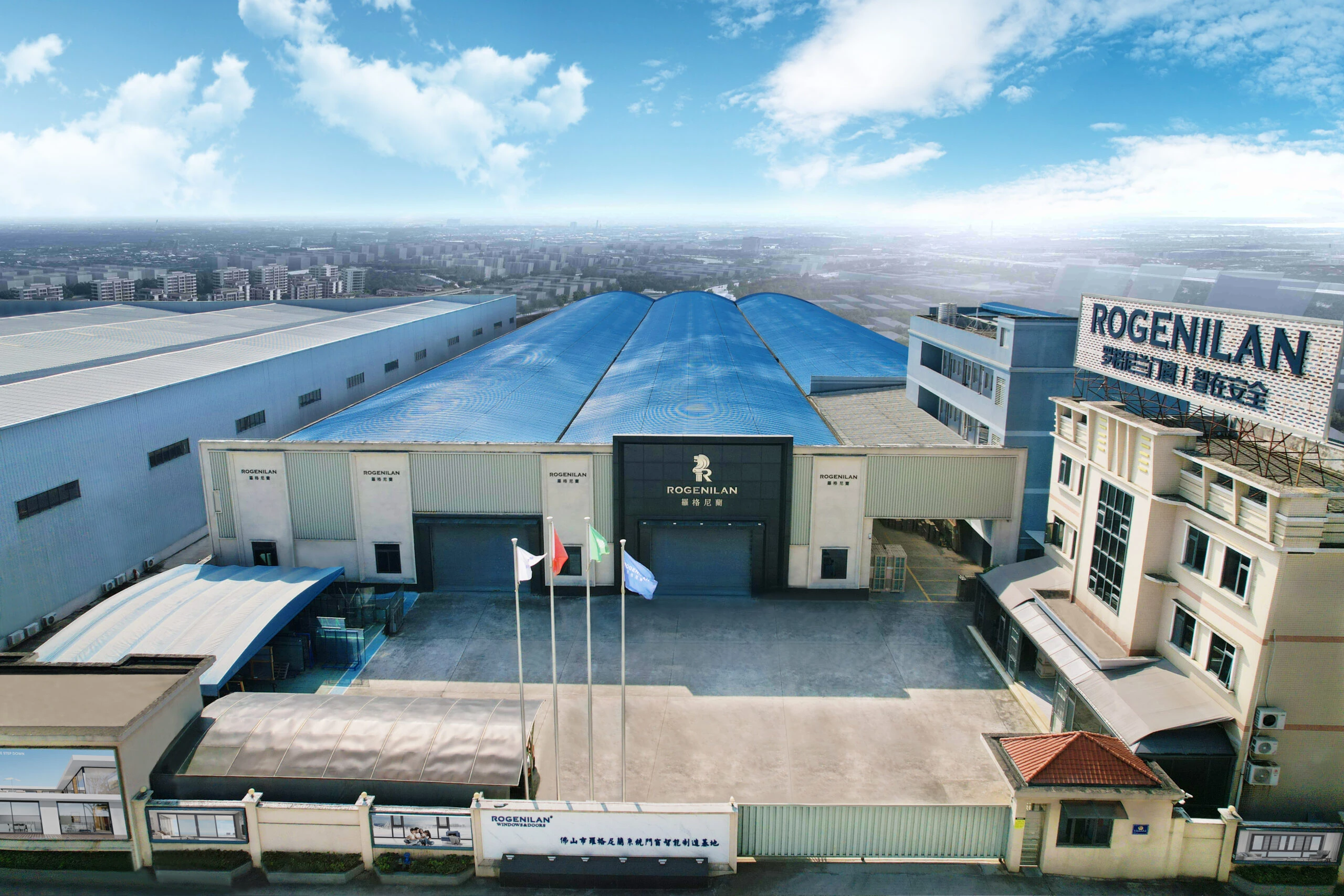
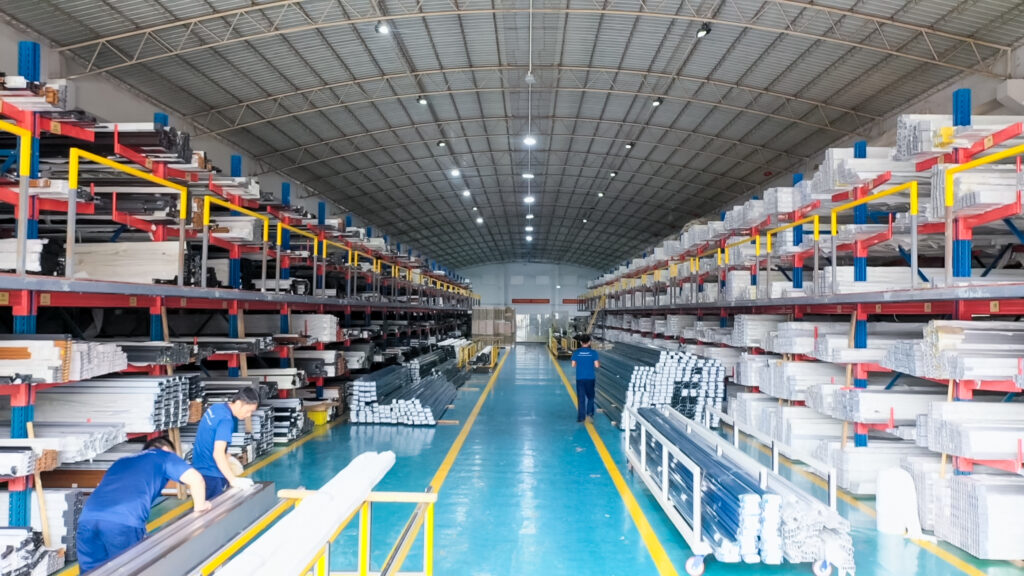
Located in Foshan, Guangdong—China's world-renowned aluminum manufacturing capital—Kora Aluminum Windows & Doors Co., Ltd. has supplied custom fenestration solutions to over 100,000 satisfied clients across 50+ countries.

01

Precision Profile Extrusion & Thermal Insertion

ISO 9001 Quality System

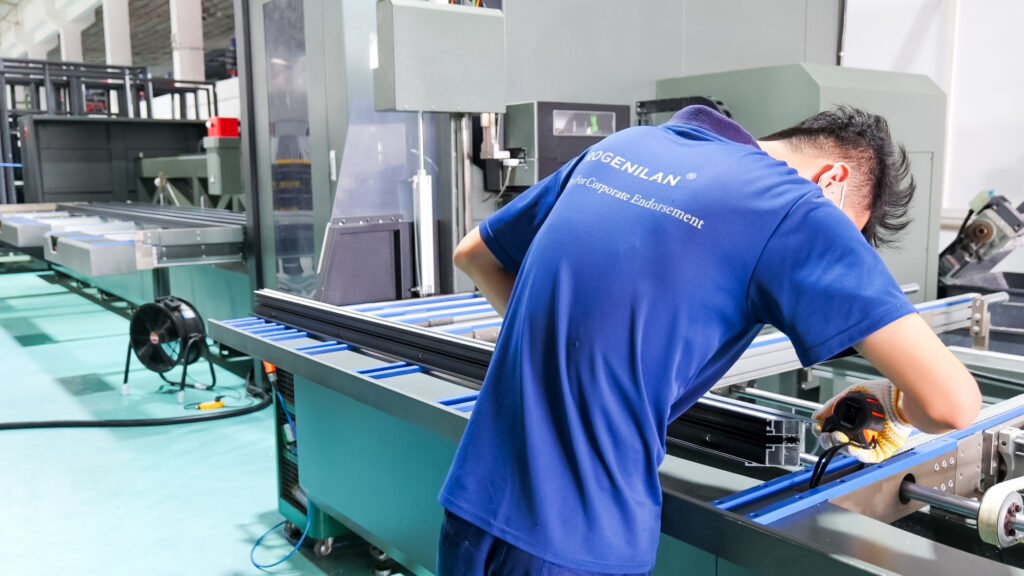
We utilize 6063-T5 high-purity primary aluminum extrusions. Our automated knurling, strip feeding, and rolling equipment seamlessly integrates PA66 GF25 thermal breaks into the aluminum profiles, preventing micro-gaps and structural shear slip.

  • Precision extrusion tolerances conforming to GB 5237 / EN 12020
  • Automated shear-strength testing on thermal break assemblies
  • Qualicoat powder coating with 10 to 25 year warranty durability
Kora Precision Aluminum Window Manufacturing Line
Automated Assembly Line
02

Export Packaging & Global Logistics Assurance

Protected Ocean Freight

Glass products and heavy aluminum extrusions require robust export packing. Kora provides complete logistics support, export packing lists, crate dimension calculations, and customs compliance documentation.

  • Individual protective surface film and plastic corner shock protection
  • Fumigation-free plywood crates with internal foam lining and steel bands
  • Complete container volume optimization to lower per-unit sea freight
Export container loading of thermally broken aluminum windows
Secure Export Packing
Technical Sourcing FAQ

Global Buyer & AI Search Queries

Direct answers to complex engineering, testing, and procurement questions commonly asked by architects, contractors, and search engines.

How does a thermally broken aluminum awning window perform against rain and hurricane water intrusion?

Awning windows offer superior water shedding compared to horizontal sliding or in-swing casement windows. Because the sash hinges at the top and angles outward at the bottom, it acts as a protective shield deflective of downward and driving rain. Under wind pressure, the sash is forced inward against continuous EPDM rubber compression gaskets, tightening the seal. Kora's thermally broken awning windows achieve water tightness test pressure ratings up to 750 Pa - 1200 Pa (conforming to AS 2047 and EN 12208 standards).

What is the difference between PA66 thermal breaks and standard aluminum profiles?

Aluminum is an excellent thermal conductor (K ≈ 160-200 W/m·K), meaning standard un-broken profiles quickly transfer outdoor heat or cold into a building interior, resulting in high energy bills and condensation. A PA66 thermal break has a thermal conductivity of approximately K ≈ 0.3 W/m·K (over 500 times lower than aluminum). Inserting PA66 strips insulates the interior frame chamber, lowering overall window U-factors and significantly improving HVAC efficiency.

Can Kora supply custom shop drawings and custom glass specification options for OEM project orders?

Yes. Kora Aluminum Windows & Doors Co., Ltd. operates a dedicated technical engineering department. We accept architectural CAD or BIM files and generate full shop drawings for client approval prior to extrusion cutting. Glass configurations include double insulated glass (IGU), triple glass units, laminated impact glass, tinting, reflective low-E coatings, warm edge spacers, and argon gas filling tailored to project environmental specifications.

How do thermally broken awning windows compare to casement windows in space-constrained layouts?

Awning windows are ideal when placed higher up on walls or above fixed picture glass, furniture, and kitchen counters, as their outward top-hinged swing requires minimal clear lateral clearance compared to wide-swinging side-hinged casement sashes. Furthermore, they allow continuous ventilation during rainstorms where casement windows would let water cascade indoors.

What certification and testing reports does Kora supply for international customs and building inspections?

We provide authentic product test documentation for NFRC thermal performance, AS 2047 Australian window standards, CE EN 14351-1 European compliance, and ISO 9001 quality factory audit certificates upon proposal submission, ensuring smooth building approval and customs clearance in North America, Australia, Europe, and the Middle East.
Proven Engineering References

Global Projects & Case Studies

Tested and installed in demanding climates ranging from North American winter conditions to Caribbean tropical storm zones.

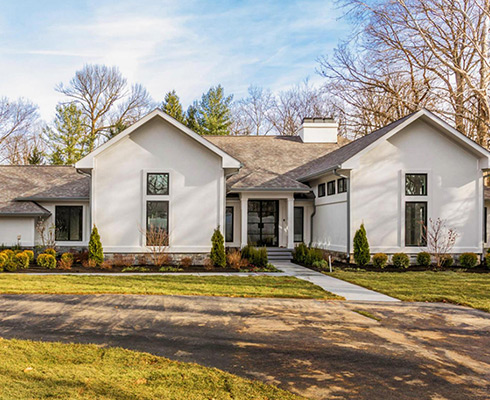
Thermally broken aluminum windows installation in luxury homes Residential

Private Villa Residence

Indianapolis, Indiana, USA

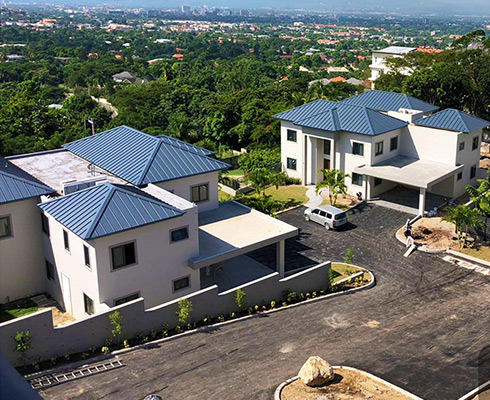
Custom awning and casement window project in Jamaica Resort Development

Coastal Villa Group

Kingston, Jamaica

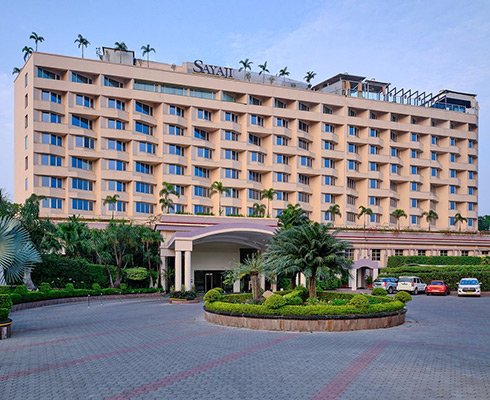
Commercial hotel project featuring Kora aluminum window systems Hospitality

Commercial Hotel Project

Indore, India

Start Your Custom Project Quote with Kora Aluminum Today

Send your window schedule, elevations, or specification documents to [email protected]. Our engineering team responds within 24 business hours.