High-Performance Aluminium Door & Window Systems
Engineered in Foshan, China for extreme structural loads, weather tightness, thermal efficiency, and seamless architectural integration. Select a product below to request custom OEM specs or immediate factory quotations.
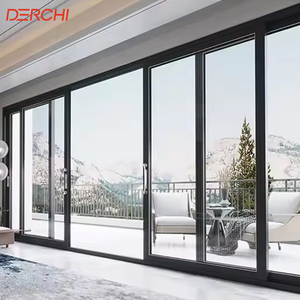
Heavy-Duty Commercial Modern Energy Efficient Office Door External Glass Slide Large Sliding Patio Doors and Windows for Home
Heavy-duty 2.0mm profile extrusion, multi-cavity thermal break, commercial grade heavy tandem rollers.
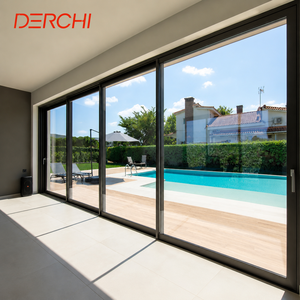
Aluminium Sliding Doors for Villa Patio Doors Double Glazed Windows Waterproof Modern
Double glazed tempered safety glass with high EPDM weatherstripping seal for coastal villa resilience.
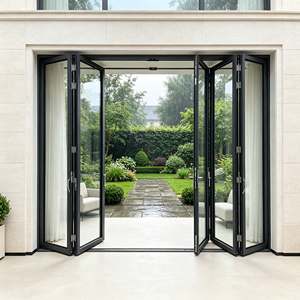
Factory Sale Energy Saving Bi-fold Doors Aluminum Alloy Folding Sliding Hurricane Impact Double Glazed for Residential Courtyard
Reinforced structural hinge system engineered to withstand high wind load pressures and severe hurricane impact zones.
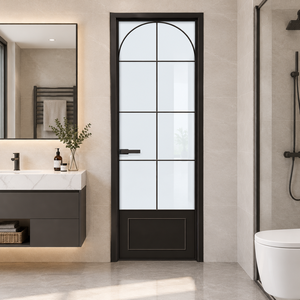
Hihaus Aluminum Casement Door Interior Bathroom Waterproof and Moisture-proof Glass Door
Precision-machined interior moisture-proof aluminum casement door featuring anti-corrosion anodized surface finish.
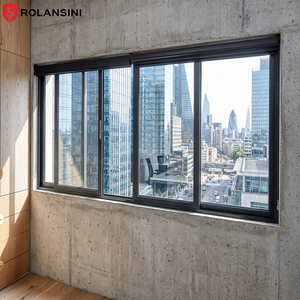
Rolansini AS2047 Certified Slim Soundproof Aluminium Sliding Windows Double Glazed Tempered Sliding Glass Window
Fully compliant with Australian Standard AS2047, offering slim sightlines and high acoustic sound dampening rating.
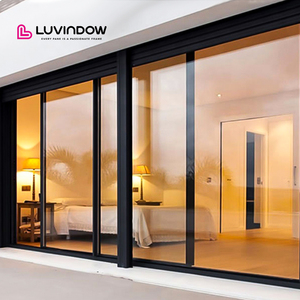
Panoramic Aluminum Energy Efficient Double Glass Multi Panel Door Heavy Duty Multi-Panel Sliding Door
Multi-track sliding door system designed for floor-to-ceiling panoramic glass expanses with minimal frame obstruction.
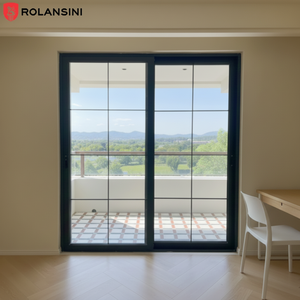
Aluminium Sliding Patio Door Puertas Corredera De Aleacion De Aluminio Para Salon, Dormitorio Y Balcon De Una Villa Espanola
Mediterranean villa exterior sliding patio doors with custom RAL powder-coated finishes and multipoint security locks.
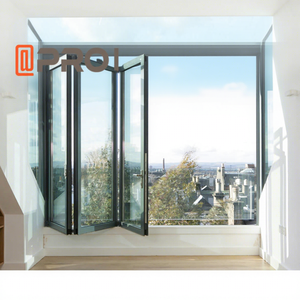
Top 10 Supplier Thermal Break Aluminum Window and Doors Folding Aluminium Bi-folding Window Double Glazed windows Sound System
Top-tier folding aluminium window & door series utilizing PA66 nylon thermal break insulation strips for maximum energy efficiency.
Foshan Industrial Cluster: Enterprise Advantage & Technical Capabilities
Situated in Foshan, Guangdong—the epicenter of global architectural aluminium extrusion—our state-of-the-art facility combines metallurgical precision, automated CNC machining, and rigorous quality assurance compliant with ISO 9001, NFRC, AS2047, and European CE standards.
Precision Engineering & OEM/ODM Excellence
As a premier OEM/ODM manufacturer, Kora Windows & Doors operates fully integrated extruding, powder coating, thermal break assembly, and glazing lines. We supply real estate developers, architectural specifiers, window contractors, and global brand distributors with tailored fenestration solutions engineered for extreme climatic demands.
Every bi-fold and sliding door assembly undergoes rigorous physical testing—from structural wind pressure deformation and continuous cyclic water penetration testing to thermal transmittance verification—ensuring seamless site installation and decades of operation.
High-tensile virgin aluminium extrusions with wall thickness reaching up to 2.0mm–3.0mm for heavy-duty structural stability.
25% fiberglass reinforced nylon thermal barriers effectively separating indoor and outdoor thermal conduction zones.
Double/Triple Low-E argon insulated glass units reducing building HVAC energy consumption by up to 35% annually.
Tested air leakage protection and water tightness under driving rainwater pressures exceeding 600 Pascals.
Technological Development & Architectural Trends in Bi-Fold Doors
The global market for luxury residential and commercial folding glass door systems is undergoing a rapid evolution driven by energy efficiency standards, hurricane resistance requirements, and minimalist architectural aesthetics.
1. Ultra-Slim Sightlines & Structural Concealment
Modern architectural design prioritizes expansive glass areas and unobstructed outdoor views. Leading Chinese bi-fold door factories are pioneering ultra-slim vertical stile profiles (down to 30mm–45mm sightlines) without compromising structural integrity.
- Concealed bottom-roller tracking systems and flush threshold thresholds.
- Reinforced internal structural ribs enabling panel heights exceeding 3.5 meters.
- Embedded corner joint locking cleats ensuring frame squareness under heavy load.
2. Multi-Cavity Thermal Break Integration
To comply with stringent international energy codes such as NFRC, California Title 24, and European EN 10077, bi-fold door profiles feature complex multi-cavity thermal break structures filled with expanded polyurethane (PUR) or aerogel insulation.
- Polyamide PA66-GF25 structural thermal barriers eliminating thermal bridging.
- Triple-glazed IGU integration with warm-edge spacer bars and low-emissivity coatings.
- Co-extruded EPDM foam weather gaskets maintaining elastic memory across extreme temperatures.
3. Severe Weather & Hurricane Impact Resilience
Exporters serving coastal regions (e.g., Florida USA, Caribbean, Australia, Pacific Islands) must supply hurricane impact bi-fold doors capable of passing missile impact tests and cyclic wind pressure cycling.
- SentryGlas® (SGP) or PVB laminated architectural safety glass makeups.
- Heavy-duty stainless steel 304/316 hinge pins and multipoint shoot-bolt hardware.
- Design Pressure (DP) ratings of DP50 to DP90 for extreme wind load resistance.
Standard vs. Premium Export-Grade Bi-Fold Door Specifications
| Technical Engineering Parameter | Standard Economy Class | Premium Export / Architectural Class | Kora Factory Benchmark Standard |
|---|---|---|---|
| Aluminium Alloy & Wall Thickness | 6063-T5, 1.4mm – 1.6mm | 6063-T6, 2.0mm – 3.0mm | 6063-T6 Virgin Alloy (2.0mm+) |
| Thermal Break Insulation | PVC or low-grade nylon strip | PA66-GF25 Polyamide strip | PA66-GF25 Multi-Cavity Insulation |
| Glass Configuration | 5mm+12A+5mm Tempered IGU | 6mm Low-E + 16A Argon + 6mm Tempered / SGP | Custom Double/Triple Low-E + Argon |
| Hardware & Hinge Load Capacity | Domestic hardware, 80kg/panel | German/Italian hardware, 150kg/panel | CMECH / Siegenia / Hoppe (150kg+) |
| Surface Coating Standards | Standard Powder Coating (5-year) | Qualicoat Class 2 / PVDF Coating (20-year) | Qualicoat Seaside / AkzoNobel PVDF |
| Water Tightness Threshold | Standard low rebate (150 Pa) | Sub-head & sub-sill drainage system (600 Pa) | Concealed Cascade Sub-Sill (600 Pa+) |
Future Procurement Trends of Global B2B Aluminium Door Sourcing
As international real estate developers and general contractors streamline supply chains, sourcing aluminium bi-fold doors directly from premier China manufacturing hubs requires understanding key market shifts over the next decade.
1. Digital BIM & Modular CAD Integration
International buyers are moving away from manual shop drawing approvals. Leading China exporters now provide full Building Information Modeling (BIM) files, Revit families, and parametric CAD blocks. This allows architects to embed precise door profile dimensions, structural load reactions, and thermal properties directly into building master models prior to container dispatch.
2. Carbon Footprint & Material Traceability
Decarbonization mandates across Europe, North America, and Australasia demand verified Environmental Product Declarations (EPDs). Direct procurement strategies prioritize China factories utilizing green low-carbon recycled aluminium billets, solar-powered extrusion facilities, and non-toxic VOC-free powder coatings with complete raw material mill test certificates (MTC).
3. Pre-Assembled Modular Export Packaging
Jobsite labor costs in destination markets have skyrocketed. Future-focused exporters are redesigning bi-fold door packaging into pre-assembled "plug-and-play" modular kits—complete with pre-hung hinges, pre-machined lock pockets, and color-coded assembly hardware—reducing site installation times by up to 50% for contractors.
Frequently Asked Questions for Sourcing Bi-Fold Doors from China
In-depth technical and operational answers to assist procurement managers, architects, and importers during factory evaluation, contract negotiation, and shipping setup.
PVDF (Fluorocarbon Coating): High-end resin-based finish delivering superior resistance to intense chemical exposure, chalking, and severe salt spray in coastal zones (20-30 years warranty).
Anodizing (Class 25 / 25 microns): Electrochemical process preserving metallic lustre with extreme scratch hardness, recommended for high-traffic commercial entries and ultra-modern industrial design aesthetics.
- Profiles wrapped in protective PE film and shock-absorbing foam corner guards.
- Fully enclosed fumigated plywood crates (no solid wood requiring ISPM-15 field treatment issues).
- Desiccant silica gel packets placed inside crates to prevent moisture condensation during sea transit.
- Heavy-duty steel strapping and container floor anchoring to prevent movement during ocean swells.
Direct Purchasing Checklist for B2B Importers
Use this 5-point verification framework when auditing Chinese aluminium door manufacturers to mitigate risk, protect capital, and ensure product reliability.
1. Material Metallurgical Verification
Demand Mill Test Certificates (MTC) proving the use of 6063-T5 or T6 grade virgin aluminium. Avoid factories utilizing scrap or mixed alloy billets that lead to micro-fissures, surface pitting, and structural failure under load.
2. Corner Joint Construction Audit
Inspect corner assembly techniques. High-quality doors utilize heavy cast-aluminium corner cleats injected with two-component structural epoxy glue, rather than simple dry screw joints that loosen over time.
3. Water Drainage Engineering
Review the sill profile design. Exterior bi-fold doors must feature a stepped cascade drainage channel, concealed one-way weep hole valves, and optional sub-sill flashing channels to prevent water back-up during heavy rainstorms.
Accelerate Your Sourcing with Foshan's Premier Door Manufacturer
Whether you are developing a luxury residential estate, specifying a commercial plaza, or expanding your regional window distribution brand, our engineering team is ready to analyze your drawings and deliver competitive factory-direct pricing.