Featured Engineering Concertina & Bi-Fold Systems
Direct from Foshan manufacturing lines: Precision-engineered, thermal-break aluminium concertina doors tested to NFRC, AS2047, and CE rigorous standards.
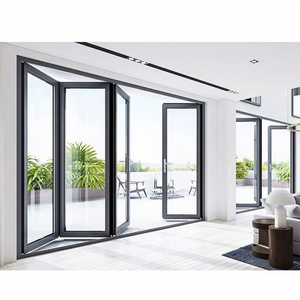
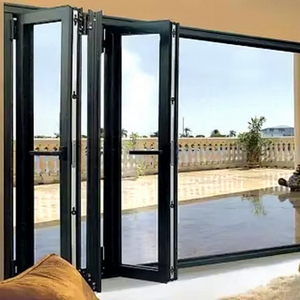
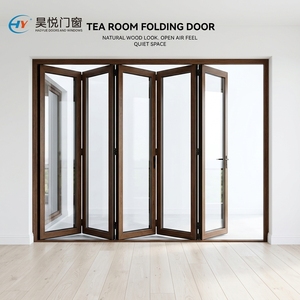
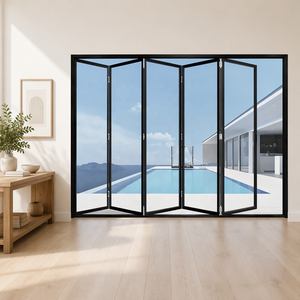
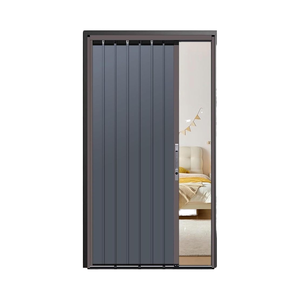
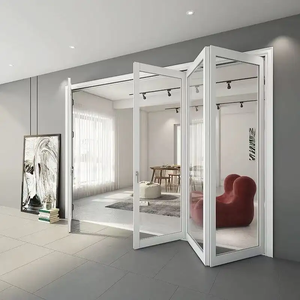
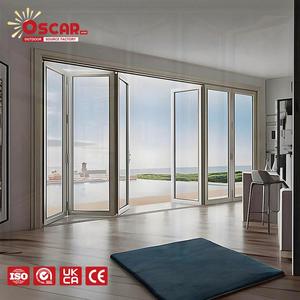
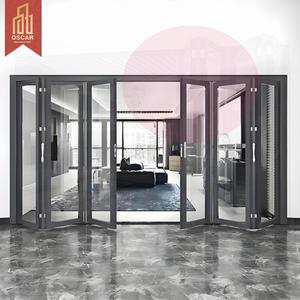
China's Premier Aluminium Concertina Doors Manufacturing Hub
As international architectural requirements shift toward wide-span, seamless indoor-outdoor integration, Aluminium Concertina Doors (frequently designated as bi-fold, accordion, or multi-folding sliding doors) have evolved from luxury additions into vital structural fenestration components. Operating out of Foshan, Guangdong—the epicenter of global aluminium extrusion innovation—our enterprise stands as an authoritative manufacturer and exporter delivering heavy-duty, thermally broken folding door systems engineered specifically for high-end residential villas, commercial hospitality resorts, and multi-family developments.
Unlike basic localized fabricators, our manufacturing ecosystem integrates alloy formulation, precision profile extrusion, Polyamide (PA66) thermal break insertion, CNC structural machining, and multi-layer surface treatment within a unified ISO 9001-certified framework. This holistic production control ensures that every concertina sash leaves our floor compliant with strict global building codes, including North American NFRC standards, Australian AS2047 fenestration testing, and European CE mark directives.
Verified Regulatory Testing
Full suite laboratory reports for air infiltration, water resistance under static pressure, structural deflection limit tests, and area-weighted U-factor ratings certified for global import compliance.
High-Capacity Heavy-Duty Hardware
Equipped with top-hung and bottom-supported stainless steel roller assemblies capable of carrying sash weights up to 300kg per panel, ensuring whisper-quiet slide motion over tens of thousands of cycles.
Bespoke OEM/ODM Capability
Tailored wall-thickness options (up to 3.0mm primary structural profiles), customizable corner joinery, private-label branding, customized glass makeups, and architectural powder coatings or PVDF finishes.
Future B2B Procurement Trends in Aluminium Concertina Door Systems
The global market for architectural fenestration is experiencing a significant shift. Commercial importers, facade contractors, and real estate developers are updating their purchasing criteria beyond basic FOB unit prices to prioritize long-term thermal efficiency, supply chain predictability, and structural durability. Sourcing managers evaluating suppliers in China should take note of several critical trends shaping concertina door procurement over the coming decade:
1. Shift Toward High-Performance Polyamide Thermal Barriers
Building energy codes across North America, Europe, and Oceania now enforce stringent building envelope performance metrics. Unbroken non-thermal aluminium profiles are being rapidly phased out for exterior envelopes. Modern procurement demands PA66 GF25 (25% Glass Fiber Reinforced Polyamide) thermal breaks with multi-cavity insulation strips. These configurations effectively isolate outer aluminium extrusions from inner frames, preventing thermal bridging, mitigating interior condensation, and enabling overall assembly U-factors down to 1.2–1.6 W/m²K when combined with Low-E triple glazing.
2. Demand for Ultra-Slim Sightlines with Massive Sash Widths
Architects increasingly demand minimal frame profiles to maximize natural light and unhindered exterior views. However, narrowing the aluminium sightline without compromising wind load resistance requires higher tensile strength alloys (such as primary 6063-T6 or 6005-T6 temper aluminium) and internal steel or titanium-alloy reinforcements. The future of concertina door manufacturing belongs to producers capable of engineering interlocking mullions under 50mm in width that safely support heights reaching 3.5 to 4.0 meters.
3. Integration of Multi-Point Lock Security & Zero-Threshold Drainage
Security and barrier-free accessibility are top considerations for high-end residential and hotel projects. Sourcing trends favor concertina systems that seamlessly blend continuous perimeter multi-point locking hooks (leveraging stainless steel drive gears) with recessed, zero-step floor sills. Advanced sub-sill drainage tracks featuring integrated check-valves prevent water backflow during storm surges while maintaining ADA-compliant flush transitions.
4. Total Cost of Ownership (TCO) & Export Packaging Engineering
International freight volatility and job-site breakage have elevated export packaging to a core procurement standard. Experienced buyers require suppliers to utilize reinforced steel-pallet wooden crating, corner-protected shrink-wrap sealing, and pre-assembled frame dry-fits prior to dispatch. Comprehensive packing lists detailing individual crate dimensions, gross weights, and panel labeling dramatically cut installation labor costs on site.
Technological Evolution & Architectural Engineering Insights
Understanding the engineering nuances of aluminium concertina doors is essential for specifiers looking to optimize performance and longevity. Concertina systems operate under dynamic mechanical stresses distinct from standard sliding or casement doors; their folding movement transfers concentrated structural loads to overhead lintels or bottom track guide channels.
Structural Dynamics: Top-Hung vs. Bottom-Loaded Systems
A primary engineering choice in specifying accordion folding doors lies between top-hung and bottom-loaded structural configurations:
- Top-Hung Concertina Systems: The entire weight of the folded glass panels hangs from the upper head track. This configuration offers exceptionally smooth glide motion and keeps the lower track free from dirt accumulation. However, it requires a structural overhead lintel engineered to support substantial dead loads without sagging.
- Bottom-Loaded Concertina Systems: Heavy rollers ride directly within the lower floor sill, while the head track acts purely as a stabilizing guide channel. This option is ideal for retrofit projects or openings where upper structural support is limited.
Acoustic Attenuation & Glazing Matrix Engineering
For commercial hospitality applications, such as hotel ballrooms, conference halls, and beachfront event centers, acoustic isolation is as important as weatherproofing. Modern concertina doors achieve Sound Transmission Class (STC) ratings up to 42 dB through the strategic pairing of multi-layer asymmetric laminated glass (e.g., 6mm tempered + 1.52mm PVB + 6mm tempered) with continuous EPDM double or triple weatherstripping gaskets around panel margins.
System Specification & Performance Comparison Matrix
The table below highlights performance metrics across our primary concertina door series to assist structural engineers and purchasing officers during the specification phase:
| System Series Grade | Profile Wall Thickness | Thermal Break Type | U-Factor Range | Wind Load Deflection | Acoustic Rating (STC) |
|---|---|---|---|---|---|
| Slimline Minimalist Partition | 1.4mm - 1.8mm | Non-Thermal / Light Thermal | 2.2 - 2.8 W/m²K | 1500 Pa | 28 - 32 dB |
| Standard Exterior Bi-Fold | 2.0mm - 2.2mm | 14.8mm PA66 Strip | 1.6 - 2.0 W/m²K | 3000 Pa | 35 - 38 dB |
| Heavy-Duty Architectural Thermal | 2.5mm - 3.0mm | 24mm Multi-Cavity PA66 | 1.2 - 1.5 W/m²K | 5000 Pa (Hurricane Rated) | 40 - 43 dB |
Why Global Importers Partner with Our Manufacturing Ecosystem
Choosing the right manufacturing partner in China is crucial for securing predictable project delivery, technical precision, and stable long-term profit margins. Our production lines combine automated machinery with strict quality controls at every step of manufacturing:
Automated CNC Machining Precision
Profiles undergo automated German-imported 5-axis CNC cutting, milling, and drilling. This guarantees corner-joint alignment tolerances within 0.1mm, eliminating structural gap errors during site installation.
100% Pre-Shipment Dry-Fit Assembly
Every custom concertina door order undergoes complete dry-fit assembly in our factory. Frames, rollers, locking mechanisms, and glass sashes are fully operational-tested prior to final packing.
End-to-End Export Logistics Support
Our dedicated export department handles ocean container loading calculations, customs clearance documentation, CO issuance, and door-to-door delivery coordination across key global shipping lines.
Frequently Asked Questions for Architectural Procurement
Clear, direct responses to common technical, commercial, and logistics questions raised by international trade buyers and contractors:
What parameters are required to generate an accurate architectural quote?
How do your concertina doors hold up under high wind loads and heavy rainfall?
Are test reports available for project submittals and local compliance approval?
What hardware brands and roller mechanism options do you supply?
What is your typical production lead time for custom export orders?
How do you protect glass panels and aluminum frames against transit damage?
Can you manufacture non-standard angle corner concertina door configurations?
Do you offer OEM private-label production for international distributors?
Partner with China's Premier Concertina Door Manufacturer
Elevate your fenestration offerings with tested, factory-direct aluminium concertina door systems. Contact our engineering team today for instant CAD support, factory-direct wholesale pricing, and sample requests.