Featured Aluminum Clad & Thermal Break Systems
Explore our precision-engineered window and door series manufactured under ISO 9001, NFRC, and AS 2047 standard operating procedures in Foshan, China.
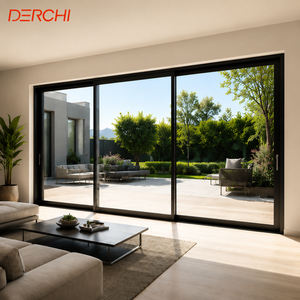
Residential & Commercial Heavy Duty Thermal Break Automatic Sliding Patio Door
Designed for large-span openings with motorized automated drive units, reinforced aluminum alloy extrusions, and heavy-load stainless steel tandem rollers.
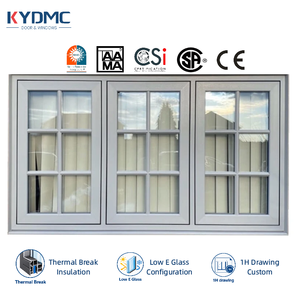
Hurricane Impact Australian Standard Large Glass Aluminum Doors & Windows with Built-in Blinds
Engineered to AS 2047 structural requirements featuring SGP laminated impact-resistant safety glass and magnetic integrated internal louvers.
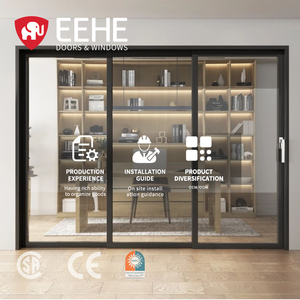
EEHE CSA Certified Aluminum Sliding Glass Doors for Cold Regions & Extreme Climates
Tested for North American thermal compliance featuring multi-cavity PA66GF25 polyamide thermal barriers and argon-filled triple insulating glass.
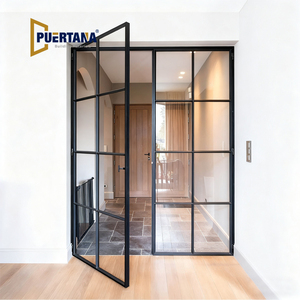
Modern Indoor Aluminium French Casement Swing Glass Door & Internal Wall Divider
Ultra-narrow sightline interior metal-framed glass doors crafted for high-end residential partition walls and modern commercial office layouts.
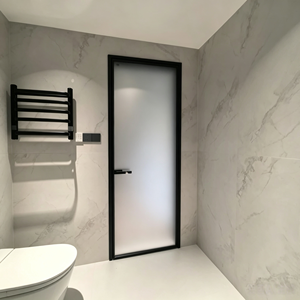
Flat Tempered Glass Washroom Door with Anti-Rust Waterproof Aluminum Frame
Moisture-proof, corrosion-resistant anodized aluminum door profile fitted with privacy frosted safety glass for humid residential & hotel environments.
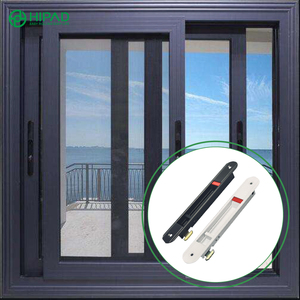
High-Durability Sliding Aluminum Window with Ergonomic Zinc Alloy Touch Lock
Engineered for cost-efficient multi-family residential developments featuring smooth sliding tracks, insect mesh integration, and secure latch systems.
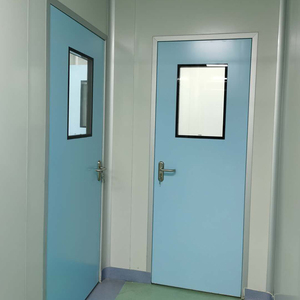
Cleanroom Hygienic Well-Sealed Aluminum Frame Steel Panel Door with Double Flush Window
Flush-surface design preventing dust accumulation, featuring drop-down bottom seals and heavy-duty seals for laboratory and medical facilities.
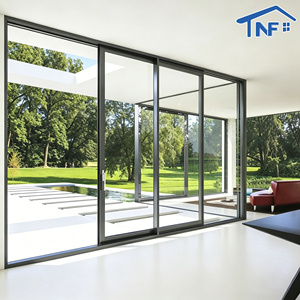
Modern Architectural Aluminum Double & Triple Glazed Sliding Doors for Exterior Use
High-performance exterior patio doors delivering sound reduction, acoustic insulation (STC up to 42dB), and heavy weather tightness.
Why Direct-from-Factory Manufacturing in Foshan Matters
Situated in Foshan, Guangdong—the epicenter of global aluminum profile extrusion and advanced fenestration manufacturing—our facility integrates end-to-end design, CNC machining, thermal break assembly, and strict testing protocols.
6063-T5 High-Precision Profiles
We utilize primary architectural-grade 6063-T5 and T6 aluminum extrusions with minimum wall thicknesses meeting or exceeding 1.4mm for windows and 2.0mm to 3.0mm for heavy-duty structural doors, providing superior wind load resistance (up to 5000 Pa).
Advanced Polyamide Thermal Breaks
Equipped with Technoform PA66GF25 (25% glass fiber reinforced polyamide) thermal barrier strips. Our thermal break designs isolate exterior weather conditions, preventing thermal bridging, condensation accumulation, and heat transfer in freezing or scorching environments.
Complete International Certification
Every export series undergoes empirical laboratory testing against NFRC, AS 2047, CSA, and CE requirements. We provide traceable factory mill certificates, glass test reports (SGCC / IGCC), and air-water-structural performance documentation per project.
Technical Insight: The Engineering of Aluminum-Clad Wood vs. Thermally Broken Aluminum
While traditional aluminum windows offer strength, uninsulated aluminum acts as a thermal bridge. Our high-gain manufacturing approach combines solid, interior-facing natural wood profiles (such as solid oak, pine, or teak) structural clad to exterior heavy-gauge powder-coated aluminum extrusions. This provides interior natural warmth while maintaining exterior weather durability with zero exterior maintenance needs.
Global Procurement & Engineering Trends in Aluminum Clad Windows
A deep-dive analysis into strict green building mandates, supply chain optimization, and technological evolution governing the architectural fenestration market through 2030.
1. De-Carbonization & Net-Zero Energy Performance Standards
Across North America, Europe, and Australia, commercial and high-end residential building codes are undergoing rapid regulatory tightening. Regulations such as the U.S. ENERGY STAR® Version 7.0, European EPBD (Energy Performance of Buildings Directive), and Australia's NCC (National Construction Code) mandate stringent area-weighted U-factors. Modern procurement is no longer driven solely by initial unit price; developers are evaluating lifecycle thermal performance, embodied carbon, and operational energy savings.
To meet these requirements, top Chinese manufacturers are shifting production lines toward multi-cavity aluminum-clad systems integrated with warm-edge spacers (such as Technoform or Swisspacer) and triple/quadruple low-emissivity (Low-E) glass units filled with 90%+ argon gas. This technology achieves U-factors as low as 0.78 W/m²K (R-value > 7), making them eligible for Passive House (Passivhaus) project compliance.
2. Surface Treatment Innovations: Fluorocarbon (PVDF) & AAMA 2605 Compliance
Exterior durability in harsh coastal or tropical environments requires superior surface finishes. Standard powder coatings often chalk or fade under severe UV exposure. Advanced B2B procurement specifications now heavily stipulate AAMA 2605 compliant PVDF (Polyvinylidene Fluoride) fluorocarbon coatings or hard-coat anodizing. PVDF coatings utilize a 70% resin formula that withstands 3,000+ hours of continuous salt spray testing (ASTM B117) and guarantees color retention for over 20–25 years without chalking or flaking.
3. Structural Customization & OEM/ODM Supply Chain Integration
Global developers and trade distributors require factory partners capable of customized OEM/ODM operations. Standard off-the-shelf window dimensions are insufficient for modern architecture featuring floor-to-ceiling glass, structural corner glass-to-glass joints, and heavy-duty lift-and-slide doors weighing up to 400kg per sash. B2B buyers require factories with in-house 5-axis CNC machining centers, automated corner-crimping machinery, and computerized glass cutting lines that can guarantee tolerances within ±0.5mm across massive production volumes.
| Material / System Type | Thermal U-Factor (W/m²K) | Structural Wind Pressure | Exterior Durability & UV | Maintenance Cycle | Relative B2B ROI |
|---|---|---|---|---|---|
| Aluminum Clad Wood (Kora System) | 0.75 – 1.20 | High (Up to 5000 Pa) | Extreme (PVDF / AAMA 2605) | Zero Exterior Maintenance | Highest Long-Term Value |
| Standard Thermally Broken Aluminum | 1.40 – 2.00 | High (Up to 4500 Pa) | High (Powder Coated) | Low Maintenance | High Initial ROI |
| Solid Timber Windows | 1.10 – 1.50 | Moderate (3000 Pa) | Low (Vulnerable to Rot/UV) | High (Repaint every 3 yrs) | Moderate |
| Standard uPVC / Vinyl Windows | 1.30 – 1.80 | Low to Moderate (2200 Pa) | Moderate (Yellows in severe UV) | Zero Maintenance | Low Upfront Cost |
Future Technological Trends in Architectural Glass & Profiles
Explore how next-generation smart glazing, hardware integration, and acoustic isolation are redefining high-end aluminum window manufacturing.
Smart Electrochromic & PDLC Glazing
Integration of switchable polymer dispersed liquid crystal (PDLC) privacy glass and electrochromic solar-control coatings. Users can transition glass from clear to opaque via smart home automation or building management systems (BMS), reducing solar heat gain coefficient (SHGC) dynamically.
Concealed Multi-Point Locks
Modern architectural aesthetics demand minimalist profiles. Hidden hinge systems (capable of supporting 180kg sash loads) and flush 3D adjustable hardware mechanisms from top brands (Siegenia, Hoppe, G-U, Roto) enhance forced-entry resistance while preserving uninterrupted visual glass lines.
Acoustic Dampening & STC Ratings
Urban noise pollution requires specialized acoustic dampening. Combining asymmetrical glass thicknesses (e.g., 8mm exterior + 12mm Argon + 6mm interior laminated with PVB/Acoustic Interlayer) dampens sound wave resonance, achieving Sound Transmission Class (STC) ratings up to 45 dB.
Frequently Asked Procurement & Technical Questions
Essential technical insights and logistical clarifications for architectural specifiers, general contractors, and trade importers sourcing from China.
Partner with China's Premier Aluminum Clad Window Factory
Request factory-direct wholesale pricing, order customized sample boxes, or submit architectural drawings for rapid technical takeoff and quotation within 24 hours.