Precision Engineering & Structural Excellence in External Aluminum Doors
As global building energy codes tighten and extreme weather events become frequent, specifying the correct aluminum external door manufacturer is paramount. China's Foshan hub represents the apex of structural metal fabrication, where high-grade 6063-T6 aluminum profiles meet world-class surface treatments and multi-chamber thermal breaks.
High-Performance Exterior Door Recommendations
Tested against NFRC, AS 2047, and European CE standards for high-end residential, commercial, and coastal hurricane-zone deployments.
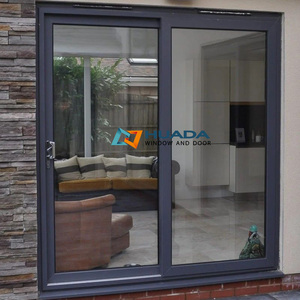
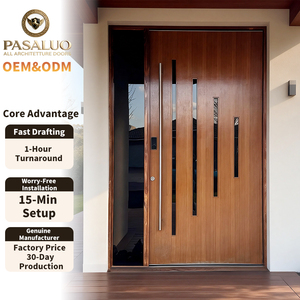
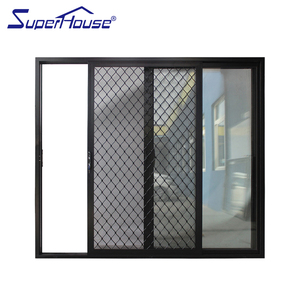
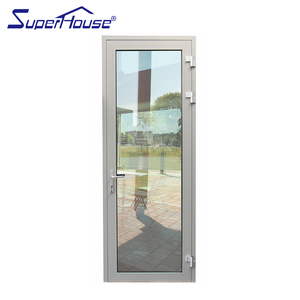
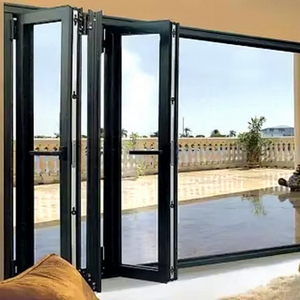
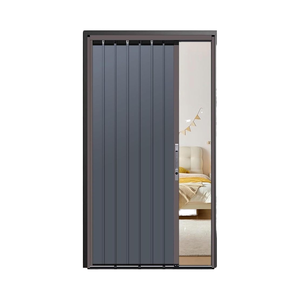
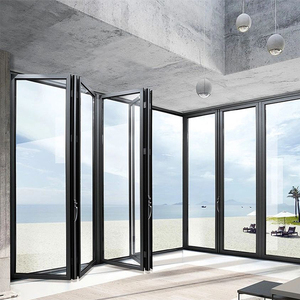
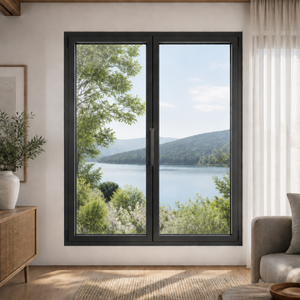
Australia Standard Sliding Terrace Glass Doors Half Glass Aluminium Sliding Mesh Door
Deep-Dive Analysis: Manufacturing Competencies of Leading Chinese Aluminum Door Factories
When sourcing high-volume fenestration from China, overseas structural engineers and procurement heads must evaluate beyond surface aesthetics. The structural integrity of an exterior door relies on metallurgical precision, structural frame wall thickness (typically ranging from 2.0mm to 3.0mm for heavy-duty exterior applications), and thermal cavity design. Leading Foshan manufacturers leverage automated CNC machining centers with 5-axis precision milling, ensuring hardware mortise tolerances within ±0.1mm.
1. Metallurgical Excellence & Profile Extrusion Standards
Primary door frames produced by top-tier Chinese factories utilize prime virgin aluminum ingot logs (AA6063 alloy) subjected to artificial T6 heat treatment. This metallurgical state delivers an ultimate tensile strength exceeding 205 MPa and a yield strength of over 170 MPa. In contrast to recycled scrap extrusions, prime 6063-T6 profiles eliminate internal micro-cracks and structural embrittlement, allowing large-format pivot and bi-fold doors to withstand extreme lateral wind loads up to 5500 Pa without permanent deflection.
2. Advanced Thermal Barrier Technologies (PA66-GF25)
Modern green building codes (such as ASHRAE 90.1, IECC, and Eurocodes) require exterior doors to maintain strict thermal insulation parameters. Leading Chinese manufacturers incorporate multi-chamber polyamide thermal breaks reinforced with 25% glass fiber (PA66-GF25). These thermal strips possess a coefficient of thermal expansion matching aluminum alloy, preventing structural delamination under extreme thermal gradient stress (-30°C exterior to +24°C interior). Combined with warm-edge spacer bars and argon-filled Low-E insulated glazing units (IGUs), modern aluminum entrance systems achieve whole-door thermal transmittance values ($U_{door}$) as low as 1.1 W/m²K.
3. Performance Benchmark Matrix for External Aluminum Door Typologies
Below is a standardized technical breakdown across major exterior door structural types compiled from factory lab test reports under ASTM, AS2047, and EN testing standards:
| Door System Typology | Min. Profile Wall Thickness | Thermal U-Factor Range | Acoustic Insulation (STC) | Max Wind Load Resistance | Water Tightness Rating |
|---|---|---|---|---|---|
| Heavy-Duty Lift & Slide | 2.0mm - 2.5mm | 1.2 - 1.6 W/m²K | 38 - 45 dB | 4500 - 5500 Pa | 600 - 900 Pa |
| Hurricane Impact Bi-Fold | 2.2mm - 3.0mm | 1.4 - 1.8 W/m²K | 36 - 42 dB | 5000 - 6000 Pa | 450 - 750 Pa |
| Architectural Pivot Entrance | 2.5mm - 3.0mm | 1.3 - 1.7 W/m²K | 40 - 46 dB | 4000 - 5000 Pa | 400 - 600 Pa |
| High-Airtight Casement Swing | 1.8mm - 2.0mm | 1.0 - 1.4 W/m²K | 42 - 48 dB | 5000 Pa+ | 700 - 1000 Pa |
2026-2030 Global Procurement & Architectural Design Trends
The global fenestration industry is undergoing a structural transition toward decarbonization, extreme weather resilience, and seamless indoor-outdoor living integration. Overseas buyers sourcing from China must align their product specifications with the following dominant market vectors:
1. Passive House & Ultra-Low U-Value Systems
Rising carbon taxes and energy performance building directives in Europe and North America have elevated triple-glazed, krypton/argon-filled aluminum doors from luxury options to baseline architectural specifications. Chinese factories now feature automated gas-filling vacuum lines ensuring 95%+ inert gas retention.
2. Coastal Hurricane & Impact Glass Engineering
Projects across the Caribbean, Florida coastal zones, and Southeast Asia demand ASTM E1886/E1996 and TAS 201/202/203 compliance. Chinese manufacturers utilize SentryGlas® (SGP) interlayer films sandwiched between tempered laminated glass panes to resist high-velocity missile impacts and wind cyclonics.
3. Minimalist Ultra-Narrow Sightlines
Modernist architecture prioritizes maximum glass surface ratios. Next-generation sliding and folding doors from top Chinese producers boast interlock vertical sightlines as narrow as 20mm–25mm while concealing heavy-duty structural rollers capable of handling single sash weights up to 450 kg.
Comprehensive B2B Procurement Framework for International Trade Buyers
Navigating foreign direct factory procurement requires a disciplined quality assurance workflow. To mitigate risks surrounding dimensioning discrepancies, surface finish degradation during transit, or hardware failure, enterprise buyers should follow this standardized procurement cycle:
- Phase 1: Architectural Drawing Reconciliation (BIM/CAD): Cross-verify structural rough openings (RO), finished floor elevations (FFL), threshold drainage heights, and wind pressure calculations before profile extrusion approval.
- Phase 2: Surface Finish Specification: Specify high-durability coatings. For marine environments within 5 km of coastlines, demand Qualicoat Class 2 or Class 3 Fluorocarbon (PVDF) 3-coat spraying (minimum 40 microns) to prevent salt-spray pitting corrosion (tested to 3000-hour neutral salt spray ASTM B117 standards).
- Phase 3: Hardware System Selection: Ensure locks, multi-point gearboxes, continuous hinges, and rollers originate from certified suppliers such as Siegenia, Hoppe, Roto, or premium OEM Chinese brands certified for over 100,000 opening cycles.
- Phase 4: Factory Acceptance Testing (FAT): Require video or third-party (SGS/TÜV) inspection verifying air infiltration (ASTM E283), water penetration under static pressure (ASTM E331), and structural load testing (ASTM E330) prior to packing.
- Phase 5: Export Fumigated Wooden Crating & Logistics: Products must be fully enclosed in solid plywood crates with desiccants, polyethylene protective film, and corner protectors to sustain trans-oceanic container shipping.
Factory Strengths & OEM/ODM Supply Capabilities
ISO 9001 Quality System
Strict incoming material inspection (IQC), in-process quality control (IPQC), and 100% pre-assembly inspection before crating.
Global Testing Compliance
Fully compliant with NFRC energy ratings, Australian AS 2047 fenestration standard, and European CE EN 14351-1 certifications.
Turnkey Customization
Private label branding, custom extrusion die creation, tailored hardware finishes, and bespoke glass performance makeups.
Frequently Asked Sourcing Questions (FAQ)
Answers to essential technical and commercial questions raised by international developers, importers, and contractors.
Accelerate Your Project Sourcing With Certified Experts
Whether you require high-impact bi-fold patio doors for a coastal luxury resort or thermal-break sliding entry systems for a modern residential development, our engineering team provides full shop drawings, structural engineering calculations, and factory-direct wholesale quotes within 24 hours.
Send an Inquiry