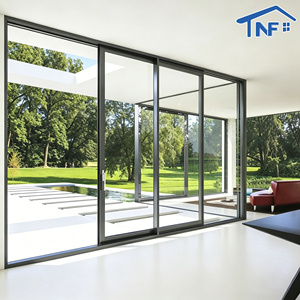
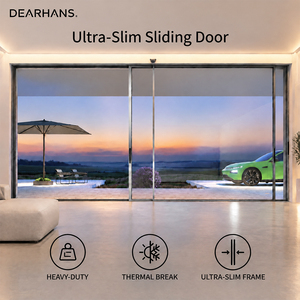
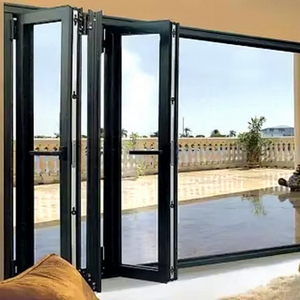
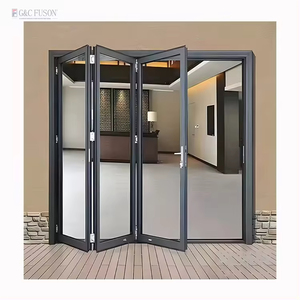
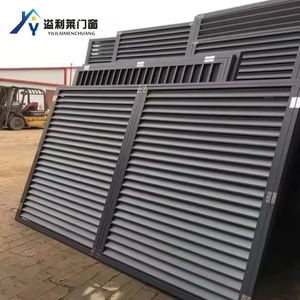
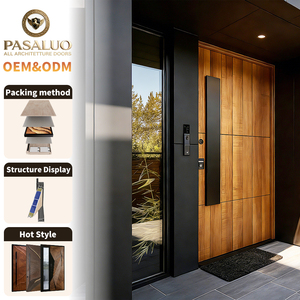
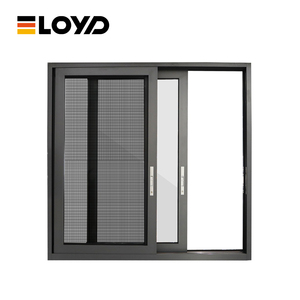
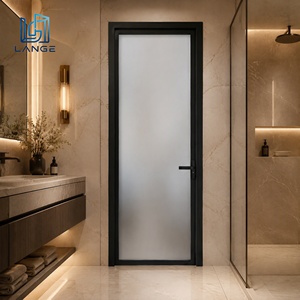
Featured OEM/ODM Aluminium Doors & Window Systems
Precision-engineered architectural solutions manufactured for commercial wholesalers, global project contractors, and luxury residential developments.
15+
Years Manufacturing OEM
6063-T6
Architectural Aluminum Alloy
AS5039
Security Screen Compliant
70+
Export Destination Countries
Executive Summary: The Evolution of Custom OEM Aluminium Jali Doors
The global architectural fenestration sector is experiencing a paradigm shift. Modern building design demands the seamless fusion of physical security, natural ventilation, thermal efficiency, and cultural aesthetic heritage. At the nexus of these requirements stands the Aluminium Jali Door—an evolved, highly engineered security screen and lattice mesh door system that redefines perimeter safety for modern villas, luxury apartments, and commercial complexes.
Historically constructed from wrought iron, wood, or low-grade mild steel, traditional door screens suffered from high rust susceptibility, structural sagging, excessive weight, and frequent maintenance liabilities. By contrast, advanced OEM Aluminium Jali Doors manufactured from extruded 6063-T5/T6 structural aluminum profile systems deliver unrivaled yield strength, marine-grade corrosion resistance, and precision CNC laser-cut geometric customization. For B2B importers, architectural wholesalers, and facade contractors, sourcing directly from dedicated OEM/ODM manufacturing facilities in Foshan, China provides significant information gain, competitive unit pricing, and strict adherence to international security standards such as AS5039, NFRC, and CE certifications.
Architectural Classifications of OEM Aluminium Jali Screen Doors
When specifying custom aluminium jali doors for large-scale development projects, enterprise procurement managers must distinguish between four primary engineering configurations:
1. Laser-Cut Sheet Aluminium Jali Doors
Engineered using high-precision 5-axis fiber laser cutting machines on solid aluminum plates (thickness ranging from 2.5mm to 6.0mm). Offers limitless custom geometric pattern creation—from traditional Islamic moucharabieh and floral lattice designs to minimalist parametric lines. Integrated with heavy-duty extrusion outer frames.
2. High-Tensile SS304/SS316 Mesh Aluminium Security Doors
Combines a robust thermal break or non-thermal aluminum frame with a woven 0.8mm-1.0mm 304/316 marine-grade stainless steel security mesh (often referred to as Crimsafe style or Kingkong screen). Provides uncompromised view clarity while withstanding extreme dynamic impacts and knife shear tests.
3. Cast Aluminium Decorative Lattice Entry Doors
Manufactured via precision sand-casting or pressure die-casting of aluminum alloy to produce thick, 3D textured ornamental grill inserts. Ideal for luxury residential main entry gates, royal villas, and heritage estate restorations requiring substantial visual presence and anti-theft mass.
4. Multi-Track Glass + Jali Integrated Sliding & Bifold Systems
Dual-track or triple-track structural framing systems that integrate insulated double glass panels (Low-E Tempered) on one sash track and a retractable or sliding aluminium jali screen on the outer track. Allows homeowners to slide back the glass for natural breezes while keeping security intact.
Engineering & Material Specification Standard
To guarantee long-term operational integrity and zero warranty claims across global export destinations, OEM factories utilize rigorous metallurgical standards. Below is the technical specification breakdown required for architectural approval schedules:
| Performance Parameter |
OEM Standard Specification |
Advanced Option / Commercial Grade |
Testing Methodology |
| Profile Alloy & Temper |
Primary Aluminum Ingot 6063-T5 |
High-Tensile 6063-T6 or 6061-T6 Alloys |
ASTM B221 / GB 5237.1 |
| Profile Wall Thickness |
1.4mm - 2.0mm Nominal Thickness |
2.2mm - 3.0mm Heavy-Duty Commercial |
Micrometer Inspection / ISO 20607 |
| Surface Finish & Coating |
AkzoNobel / Tiger Powder Coating (60-80μm) |
PVDF Fluorocarbon (3-Coat ≥40μm) / Anodized (20μm) |
Qualicoat Class 2 / AAMA 2605 |
| Jali Screen Material |
2.5mm Laser Cut Aluminum Plate |
0.9mm High-Tensile SS316 Woven Mesh |
AS5039 / EN 12209 Security Test |
| Locking Hardware |
3-Point Mortise Security Lock System |
5-Point German HOPO / Cisa Smart Biometric Lock |
PAS 24 / EN 1303 Anti-Prying Standard |
| Thermal Transmittance (U-Value) |
Standard Frame: 2.8 - 3.2 W/m²K |
Polyamide PA66 Thermal Break: 1.6 - 2.0 W/m²K |
NFRC 100 / ISO 10077-2 |
| Wind Load Resistance |
Class 4 (2500 Pa) |
Class 5 Extreme Typhoon Grade (≥4500 Pa) |
ASTM E330 / AS 2047 |
Future Sourcing & Procurement Trends for B2B Wholesalers
As real estate developers and homeowners demand higher performance from fenestration products, B2B wholesalers must adapt their inventory and procurement strategies. Over the 2026–2030 forecast horizon, four dominant purchasing trends will define the OEM aluminium jali door market:
1. Shift Toward Thermally Broken Jali Framing Systems
Rising energy costs and stringent energy efficiency codes worldwide (such as Europe's EPBD directive and USA Energy Star Version 7.0) are driving demand for thermally broken aluminum profiles. Traditional aluminum doors without thermal bridges suffer from thermal conduction, causing indoor heat loss and surface condensation. Wholesalers are increasingly specifying aluminium jali security doors equipped with reinforced Polyamide (PA66GF25) thermal barriers, allowing seamless thermal separation while maintaining structural frame strength.
2. Integration of Smart Biometric Hardware & IoT Access Control
Modern luxury homes no longer rely on mechanical brass keys. Enterprise procurement schedules now routinely demand factory-fitted smart access hardware. Leading OEM factories are pre-engineering aluminium jali door frames to accommodate concealed wiring channels, electromagnetic strike plates, 3D facial recognition cameras, biometric fingerprint sensors, and Tuya/Zigbee smart ecosystem controllers. Factory-integrated smart locking avoids costly field modifications and reduces warranty disputes.
3. Demand for Sustainable, Low-Carbon Recycled Aluminum Billet
With corporate ESG commitments and carbon border adjustment mechanisms (such as Europe's CBAM) taking effect, real estate developers prioritize fenestration products with documented environmental product declarations (EPDs). Purchasing managers are specifying OEM suppliers that utilize low-carbon recycled aluminum billets (smelted using hydropower rather than coal power), reducing embodied carbon by up to 65% without compromising mechanical tensile properties.
4. Modular "Knock-Down" (KD) Packaging for Freight Optimization
Global sea freight costs and container space optimization have made fully assembled door shipping cost-prohibitive for large-volume distributors. Advanced OEM aluminium jali door factories now design standardized Knock-Down (KD) corner-cleat assembly systems. These systems enable flat-pack ocean shipping, increasing container load capacity by up to 250% while allowing local distributors to quickly assemble units using precision corner keys and pneumatic crimping tools.
Product Innovation & Manufacturing Development Trends
The manufacturing landscape for custom aluminum lattice doors has transitioned from manual fabrication shops to automated smart factories. Key technological innovations powering modern production include:
5-Axis Fiber Laser Cutting
High-power fiber laser machines (up to 12kW) cut intricate jali geometries into thick aluminum plates at incredible speeds with zero thermal distortion, eliminating the need for secondary manual deburring.
Seamless Corner Welding
Automated robotic laser seam welding creates invisible joints at frame corners. This prevents moisture ingress, structural oxidation, and paint flaking at critical miter joints.
Qualicoat Seaside Powders
Application of specialized seaside-grade thermosetting powder coatings designed to withstand over 3,000 hours of continuous salt spray testing (ASTM B117), ideal for coastal installations.
Why Partner with Our Foshan OEM Aluminium Manufacturing Facility
Located in Foshan, Guangdong—the global epicenter of architectural aluminum production—our factory offers unmatched manufacturing capabilities, strict quality assurance protocols, and complete custom OEM/ODM support for international partners.
-
✓
Full-Process Manufacturing Control: From billet extrusion, anodizing, powder coating, and laser cutting to final lock-hardware assembly, every step is completed in-house under strict ISO 9001 quality management systems.
-
✓
Bespoke CAD/BIM Architectural Support: Our dedicated fenestration engineering team provides shop drawings, 3D renderings, and BIM models to assist project contractors with seamless architectural submittals.
-
✓
Certified Security & Environmental Performance: Our window and door systems are fully tested to meet AS 2047, AS5039 (Australia), NFRC (USA), and CE (Europe) standards, simplifying local building code approvals.
-
✓
Export-Grade Reinforced Crating: All custom orders are packed using protective film, EPDM corner guards, cellular foam, and fumigated solid plywood crates to guarantee zero transport damage.
Frequently Asked Questions (FAQ) for Wholesalers & Specifiers
Get clear, technical answers regarding custom OEM manufacturing, bulk ordering, testing standards, and global shipping logistics.
What is the Minimum Order Quantity (MOQ) for custom OEM aluminium jali door orders?
Our standard OEM factory MOQ starts at 50 square meters for standard powder-coated finishes (such as Matte Black, Architectural White, or Charcoal Grey). For custom die-extrusion profile development or specialized RAL color matching, the MOQ is typically 1 metric ton of extruded aluminum profile. We also accommodate sample units and mock-up prototypes for commercial project tenders upon drawing approval.
How do laser-cut aluminium jali mesh panels compare to stainless steel mesh (Crimsafe style) in terms of security?
Both systems provide high-level security, but they serve different architectural intents. Laser-cut aluminium jali plates (2.5mm–5.0mm thick) rely on structural mass and shear resistance, offering higher privacy and custom artistic design patterns. Woven SS316 stainless steel mesh (0.8mm–1.0mm wire diameter) offers superior outward visibility, insect screening, and high dynamic impact resistance. Many of our custom OEM doors feature a hybrid design—incorporating a decorative laser-cut aluminum lattice overlay backed by a fine stainless steel mesh screen.
Can the aluminium jali doors be pre-fitted with smart electronic biometric locks at the factory?
Yes. As a full-service OEM/ODM manufacturer, we offer complete factory integration of smart biometric lock systems, including fingerprint recognition, digital keypads, RFID card readers, facial recognition, and smartphone app integration. We can install our proven smart lock hardware or CNC-mill the lock prep gear and mortise pockets to fit your specified lock brand (e.g., Yale, Dormakaba, Samsung) prior to surface coating.
How does the factory ensure color consistency and coating durability across multi-container orders?
We utilize fully automated Swiss Gema electrostatic powder coating production lines operating under strict Qualicoat Class 2 guidelines. Every batch undergoes rigorous quality control testing, including cross-hatch adhesion testing (ISO 2409), gloss level verification, coating thickness measurement via magnetic gauge (60μm–80μm standard), and spectrophotometer color matching against approved master RAL samples.
What is the typical production lead time for bulk wholesale container shipments?
Upon final approval of CAD shop drawings and deposit confirmation:
- Standard Profile Sample/Prototype Orders: 10 to 15 business days.
- Full Container Load (20GP / 40HQ) Bulk Orders: 25 to 35 business days.
- Custom Extrusion Mold Creation + Production: Additional 12 to 15 days for initial die tooling and sample approval.
What export documentation and testing certificates do you provide for customs clearance?
We supply a complete export documentation package customized to your destination country requirements, including Commercial Invoice, Detailed Packing List with package dimensions and weights, Bill of Lading, Certificate of Origin (Form E, Form F, or CO), Factory QC Test Certificates, Mill Test Reports for aluminum raw alloy 6063-T6, and third-party laboratory test reports for AS2047, AS5039, CE, or NFRC compliance.
Partner with a Leading Custom OEM Aluminium Jali Door Manufacturer
Elevate your fenestration product lineup with factory-direct pricing, certified performance, and custom engineering support. Contact our engineering sales team today to request CAD drawings, project quotes, or physical sample crates.