Engineering-Grade Aluminum Storm & Impact Door Systems
Tested to Florida Miami-Dade High-Velocity Hurricane Zone (HVHZ) Standards, NFRC Thermal Benchmarks, and AS 2047 Structural Load Criteria
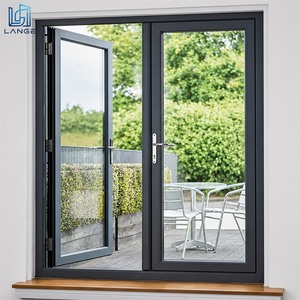
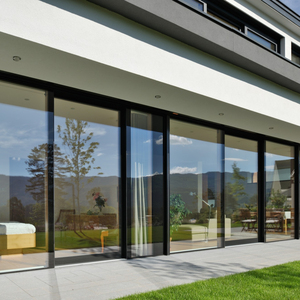
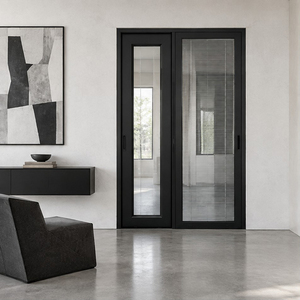
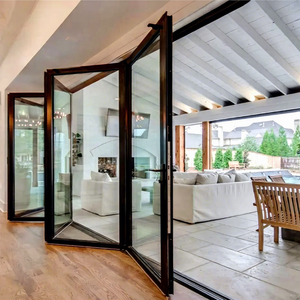
Executive Summary: Navigating Global Supply for Aluminum Storm & Hurricane Doors
In contemporary architectural engineering, the specification of exterior envelope protection—specifically storm doors, impact-resistant sliding glass entrances, and structural folding systems—has evolved from a simple aesthetic choice into a stringent structural requirement. Climate volatility, severe coastal weather events, and shifting international building codes (such as Florida’s High Velocity Hurricane Zone / HVHZ standards and Australia’s AS 2047 requirements) demand an unprecedented level of mechanical integrity from fenestration products.
This industry whitepaper provides global developers, general contractors, commercial procurement leads, and architectural specifiers with an exhaustive evaluation framework. By auditing the manufacturing ecosystems of the Top 10 Aluminum Storm Doors Factories & Exporters—centered significantly within China's premier extrusion hub in Foshan, Guangdong—this document dissects structural alloy metallurgy, thermal performance parameters, laminated glass interlayers, and global supply chain logistics.
Procurement Intelligence Note
When sourcing aluminum storm doors for extreme coastal exposures, profile wall thickness alone is insufficient. Specifiers must verify the complete assembly's Design Pressure (DP) ratings, cyclic wind load test reports (TAS 203), and air/water infiltration benchmarks (ASTM E283 / ASTM E331).
Comparative Benchmark: What Distinguishes Top-Tier Exporters?
Global architectural projects cannot afford fenestration failures. Evaluating manufacturers requires a multi-dimensional matrix going beyond price per square meter. Top-tier exporters distinguish themselves through standardized quality control pipelines, traceable raw material sourcing, and certified compliance documentation.
Metallurgical Excellence
Utilization of primary 6063-T6 or 6005-T6 architectural aluminum alloys with tensile strength exceeding 205 MPa, avoiding scrap-recycled billet contamination.
Impact Interlayer Science
Integration of Kuraray SentryGlas® (SGP) or high-grade PVB laminates engineered to withstand 9-lb 2x4 lumber missile impacts at 50 feet per second (TAS 201).
Thermal Barrier Integration
Advanced polyamide PA66GF25 thermal breaks that decouple interior and exterior aluminum chambers, preventing thermal bridging and surface condensation.
Technological Trends & Engineering Innovations (2025–2030)
The manufacturing landscape for storm-rated aluminum fenestration is undergoing rapid technological transformation. Specifiers must align with exporters who actively incorporate the following metallurgical and structural advances:
1. Advanced Surface Finishing: PVDF Fluorocarbon vs. High-Durable Powder Coating
In tropical and coastal environments (such as Florida, the Caribbean, and coastal Australia), salt spray corrosion represents the single greatest threat to door longevity. Premier factories have transitioned to multi-coat PVDF (Polyvinylidene Fluoride) Kynar 500® resin coatings and AAMA 2605 compliant powder coatings. These treatments provide over 3,000 hours of continuous salt spray resistance without blistering or chalking.
2. SGP Membrane Technology vs. Traditional PVB
While Polyvinyl Butyral (PVB) remains common in standard laminated glass, high-velocity storm doors increasingly specify SentryGlas® (SGP) ionoplast interlayers. SGP is five times stiffer and up to 100 times tougher than traditional PVB interlayers. Even if glass fractures under severe impact from flying debris, the SGP membrane maintains structural rigidity, remaining upright in the frame under violent gust pressure fluctuations.
3. Multi-Point Stainless Steel Locks & Concealed Hardware
Mechanical failure during storm events frequently occurs at locking points or roller tracks rather than within the aluminum profile itself. Modern export-grade storm sliding and bi-fold doors utilize 316-marine-grade stainless steel multi-point locking gear, heavy-duty tandem stainless rollers capable of supporting 400kg sash weights, and concealed heavy-duty hinges designed to eliminate wind drag and water accumulation.
Future Procurement Trends in B2B Fenestration Sourcing
Strategic purchasing managers and developer groups are revising their vendor selection criteria to address evolving global economic and regulatory landscapes:
- Digital Shop Drawing Automation & BIM Integration: Exporters now provide full Revit/BIM models and parametric CAD shop drawings within 48 hours of initial opening schedules, drastically shortening project lead times.
- Carbon Transparency & EPD Certification: European and North American projects increasingly prioritize Environmental Product Declarations (EPD). Exporters leveraging hydroelectric-smelted aluminum profiles earn higher procurement preference scores.
- Custom Containerized Export Packaging: To minimize transit damage, leading factories deploy customized steel-reinforced timber crates, vacuum-sealed plastic wrapping, and corner-protector systems engineered for easy site unloading via crane or forklift.
Manufacturing Supremacy: Foshan Production Hub
Situated in Foshan, Guangdong—the recognized epicenter of global aluminum extrusion—our facility operates a multi-line automated production infrastructure. Operating under ISO 9001 certified quality systems, we specialize in OEM/ODM manufacturing of high-performance thermally broken aluminum windows, impact sliding patio entrances, bi-folding accordion systems, and architectural sunrooms.
Frequently Asked Questions: Technical & Procurement Guide
Key technical inquiries addressed by our senior fenestration structural engineers to assist commercial buyers and importers during project qualification:
What is the difference between standard impact doors and Florida Miami-Dade Certified doors?
Can Kora manufacture storm doors to custom opening sizes and private-label OEM specifications?
How does polyamide thermal break technology function in storm door profiles?
What documentation is provided to verify structural and thermal compliance for import clearance?
What export packing methods are utilized to prevent damage during ocean freight transit?
How can overseas developers or contractors initiate a direct factory partnership or dealer inquiry?
Ready to Secure Your Fenestration Supply Chain?
Connect with our structural engineering team today to receive detailed CAD shop drawings, factory-direct pricing, and product catalogs.
Get Catalog