Featured Aluminium & Glass Door Systems
Precision-engineered structural entrance doors, minimal frame exterior sliding systems, and cleanroom architectural solutions engineered in Foshan, China.
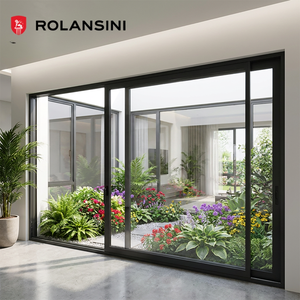
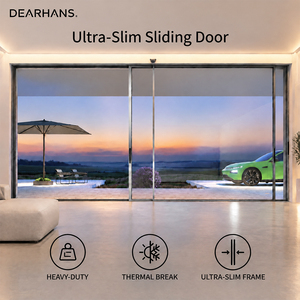
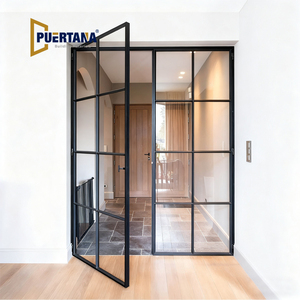
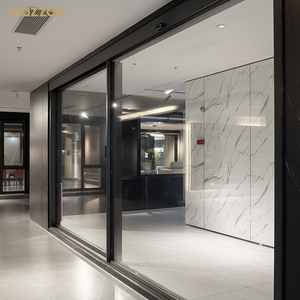
Architectural Engineering Whitepaper: Sourcing Top China Aluminium & Glass Door Suppliers
An authoritative guide for real estate developers, structural engineers, trade distributors, and facade architects specifying high-performance fenestration systems from Foshan manufacturing hubs.
Structural Alloy & Extrusion Metallurgical Specs
Premier Chinese manufacturers utilize strictly virgin 6063-T5 and 6063-T6 architectural grade aluminum alloys. High-tension extrusion profiles feature wall thicknesses ranging from 2.0mm for standard sliding doors to 3.0mm+ for heavy-duty hurricane-impact entrance systems. Structural rigidity ensures resistance to deflection under wind-load stress tests exceeding AS2047 N6 ratings (up to 4500 Pa).
Polyamide Thermal Barriers & Energy Efficiency
To eliminate thermal bridging in extreme cold or hot climates, leading suppliers incorporate imported Technoform PA66-GF25 (25% fiberglass reinforced polyamide) thermal break strips. Combined with argon-filled, double or triple Low-E insulated glass units (IGU), these systems achieve overall U-factors down to 0.82–1.4 W/m²K (NFRC certified), reducing overall building HVAC loads significantly.
Technical Performance Standards Matrix
Comparative technical parameters for verifying supplier quality compliance against global building codes.
| Performance Parameter | Standard Specification | Testing & Compliance Framework | Engineering Value / Impact |
|---|---|---|---|
| Profile Material | 6063-T5 / T6 Virgin Aluminum Extrusion | GB/T 5237, ASTM B221 | High yield strength, superior surface finish retention |
| Thermal Insulation (U-Factor) | 0.82 W/m²K – 1.6 W/m²K | NFRC 100/200, EN ISO 10077-1 | Drastic thermal energy loss reduction in severe climates |
| Acoustic Insulation (STC) | STC 38 dB – STC 45 dB | ASTM E90, ISO 10140-2 | Blocks urban noise pollution & high-frequency road sounds |
| Wind Pressure Resistance | Up to 4500 Pa (N6 Class) | AS 2047, ASTM E330 | Engineered for coastal hurricane zones & super high-rises |
| Surface Treatment | PVDF Fluorocarbon coating / AkzoNobel Powder | AAMA 2605, Qualicoat Class 2 | 30-year resistance to UV chalking, salt spray, and corrosion |
| Water Penetration Resistance | 600 Pa – 900 Pa static pressure | ASTM E331, BS EN 12208 | Zero water ingress under heavy rainstorm conditions |
Future Sourcing & Procurement Trends (2026–2030)
Anticipating paradigm shifts in architectural glass doors, smart manufacturing integration, and zero-carbon building directives.
Ultra-Slim Sightlines & Invisible Frame Engineering
Architectural demand is rapidly moving toward ultra-narrow sightlines (16mm to 21mm interlock profiles). Next-generation sliding doors conceal outer frames seamlessly into structural ceilings and sub-floors, maximizing natural daylight while keeping high load-bearing capacity for panel weights up to 500kg via specialized stainless-steel tandem rollers.
Building Automation & Smart Motorized Glazing
The integration of magnetic levitation motors, IoT remote control, automatic rain sensors, and electrochromic dynamic smart glass (PDLC) is transforming standard patio doors into intelligent building components. Modern Foshan factories are embedding concealed motor tracks directly compatible with KNX, Crestron, and Smart Home automation platforms.
Decarbonized Aluminium & EPD Certification
Western markets (EU, USA, Australia) increasingly require Environmental Product Declarations (EPD) detailing embodied carbon metrics. Leading Chinese factories are adopting low-carbon hydro-powered aluminum billets and closed-loop scrap recycling, giving developers key advantages in achieving LEED Gold, BREEAM, and WELL building certifications.
Why Source Aluminium Doors from Foshan Manufacturing Ecosystem?
Foshan, Guangdong represents the world's highest concentration of architectural aluminum extrusion, hardware R&D, and fenestration testing infrastructure.
Complete Industrial Chain & Raw Material Sourcing Advantage
Foshan's fenestration industrial cluster houses the complete supply chain: raw aluminum billet melting, precision die extrusion, anodizing, powder coating, EPDM sealing gasket manufacturing, and tempered laminated glass production within a 30-kilometer radius. This industrial density guarantees unmatched lead-time agility, rapid prototyping, and competitive cost-to-performance ratios impossible to replicate elsewhere.
Rigorous Multi-Stage QA/QC & Export Container Logistics
Top-tier factories operate under strict ISO 9001:2015 quality management systems. Every finished door assembly undergoes pre-shipment trial installation, laser squareness verification, air-tightness testing, and hardware endurance cycles. Export packing employs customized steel-reinforced plywood crates with anti-moisture vacuum wrapping to withstand oceanic transits zero-damage.
Frequently Asked Questions (Sourcing & Engineering)
Key technical answers for procurement directors, trade buyers, and project managers.
Q: How do Chinese aluminum door factories ensure compliance with regional structural codes (e.g., AS2047, NFRC, CE)?
Leading suppliers partner with international testing authorities such as Intertek, SGS, and TUV to conduct physical chamber testing. Test reports cover structural wind pressure (ASTM E330 / AS2047), air infiltration (ASTM E283), water penetration (ASTM E331), and overall thermal transmittance (NFRC 100/200). Importers can request verified test certificates matching the exact profile series and glass makeup.
Q: What is the difference between thermal break aluminum and non-thermal break profiles for commercial procurement?
Thermal break profiles feature an insulated structural polyamide bar (PA66-GF25) separating the interior and exterior aluminum frame sections. This prevents conductive heat loss in cold climates and heat gain in tropical environments. Non-thermal break systems are suited for interior spatial dividers or non-conditioned zones, whereas exterior envelope doors almost exclusively mandate thermal breaks to pass energy codes (IECC / NCC Australia / Title 24).
Q: What hardware brands are configured into high-end China aluminum door assemblies?
Top suppliers offer flexible hardware choices: tier-one German imports (Siegenia, Hoppe, G-U, Sobinco) or premium domestic heavy-duty hardware (Kin Long, CMECH, Hopo). Multi-point gear locks, stainless steel rollers, and heavy-duty 3D adjustable hinges are specified based on sash weight, wind load requirements, and desired cycle lifespan (tested up to 50,000+ open-close cycles).
Q: What are the standard lead times and packaging protocols for export door orders?
Standard OEM/ODM production lead times range from 25 to 35 calendar days following CAD shop drawing sign-off and color sample confirmation. Packaging involves protective surface film, foam edge corner protectors, bubble wraps, and fumigated solid wooden or steel-skid crates designed for safe forklift unloading at project jobsites.
Q: Can Chinese manufacturers support custom shop drawings and structural engineering calculations?
Yes. Premium manufacturers maintain dedicated in-house facade engineering teams fluent in AutoCAD, SolidWorks, and BIM Revit software. They provide comprehensive shop drawings, structural wind load calculation reports, anchor detailing, and glass deflection analysis to assist architects and local structural engineers in obtaining building permit approvals.
Accelerate Your Architectural Project Sourcing Today
Direct factory pricing, verified structural performance test reports, and fully customized OEM/ODM aluminum glass door manufacturing from Foshan, China.