Engineered Architectural Window & Door Systems
Precision-manufactured double-glazed architectural systems compliant with AS2047, NFRC, CE, and CSA structural standards.
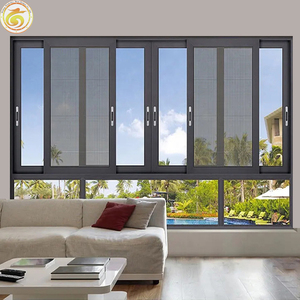
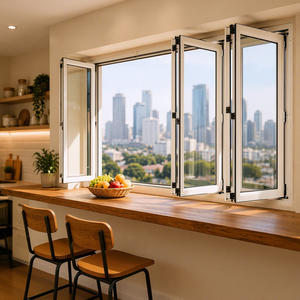
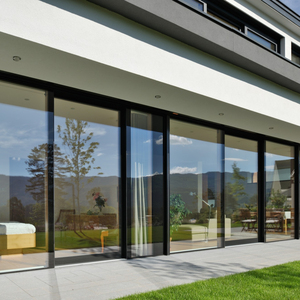
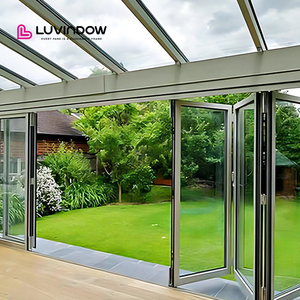
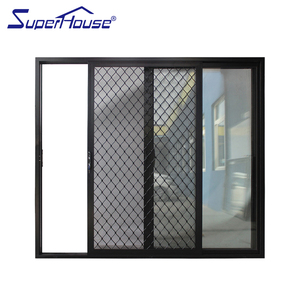
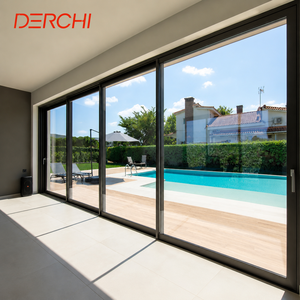
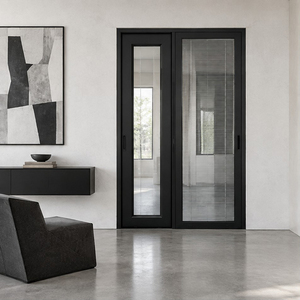
1. Structural Engineering & Extrusion Metallurgy in Double Glazed Systems
When specifying structural envelope materials for tier-1 residential and commercial developments, selecting qualified aluminium double glazed windows manufacturers requires a rigorous evaluation of metallurgy, thermal break geometry, and sealant chemistry. Modern architectural envelope design has evolved from basic weather enclosure to active environmental control systems. Aluminum profiles engineered from premium 6063-T5 or 6063-T6 architectural billet serve as the structural backbone, offering exceptional tensile yield strength (≥ 170 MPa) and wind-load resistance capability exceeding 5000 Pa under peak hurricane pressure testing.
The thermal bridging inherent in raw metallic aluminum (conductivity ~ 200 W/m·K) is isolated via precision-engineered Polyamide PA66-GF25 structural insulating struts. Unlike low-tier PVC thermal strips, glass-fiber reinforced PA66 struts mirror the thermal expansion coefficient of structural aluminum extrusions (2.3 × 10⁻⁵/K). This mechanical sync eliminates interior profile delamination caused by severe seasonal freeze-thaw cycles. Top-tier factories utilize dual-extrusion crimping with multi-chamber profile geometry to achieve structural frame U-factors lower than 1.4 W/m²K.
Insulating Glass Unit (IGU) Physics & Gas Retention Seals
The overall thermal efficiency (U-value) and Solar Heat Gain Coefficient (SHGC) of double-glazed systems depend heavily on the Insulating Glass Unit configuration. Advanced manufacturing lines integrate warm-edge composite spacer technology (such as stainless-steel polymer hybrid spacers) combined with primary butyl sealant and secondary structural silicone edge seals. This dual-seal barrier restricts internal Argon gas leakage to under 0.75% per year over a 25-year operational lifecycle.
| Specification Component | Standard Builder Grade | High-Performance Kora Engineering Grade | Impact on Energy Efficiency & Structural Integrity |
|---|---|---|---|
| Aluminum Alloy Grade | 6063-T5 (Recycled Billet) | 6063-T5 / T6 Primary Virgin Billet | Higher tensile strength, superior surface anodizing adhesion, zero structural micro-cracks. |
| Thermal Barrier Material | PVC / Standard Nylon Strips | Polyamide PA66-GF25 (25% Glass Fiber) | Prevents linear thermal expansion shear, ensures high mechanical shear strength under high wind loads. |
| Glass Configuration | 5mm + 6A + 5mm Clear Double Air | 6mm Low-E + 12Ar + 6mm Toughened Double Argon | Reduces U-value from 2.8 W/m²K down to 1.1 W/m²K; sound attenuation increases by up to +12 dB. |
| Sealing Gasket System | Thermoplastic (TPE/PVC) | Continuous EPDM Synthetic Rubber | Prevents seal deterioration under extreme UV exposure, achieving Class 4 air permeability tightness. |
2. Future Procurement & Technological Trends in Fenestration (2025–2030)
The global facade and fenestration industry is undergoing a structural transition driven by net-zero building mandates, stringent carbon emissions regulations, and extreme climatic events. Commercial procurement teams, real estate developers, and architectural specifiers must realign their sourcing criteria to address four macro supply chain trends:
A. Ultra-Low U-Value Mandates & Passive House Standard Adoption
International building energy codes (such as ASHRAE 90.1 in North America, Title 24 in California, and NCC in Australia) now require overall envelope window-wall U-factors below 1.2 W/m²K. Thermal break aluminum sliding and casement windows are incorporating triple-cavity polyamide thermal breaks, aerogel-infused profile cavities, and triple Low-E coated IGUs filled with Krypton or Argon gas. Leading OEM factories are investing in multi-axis CNC machining lines to produce tight, seamless gasket joinery capable of meeting passive house air-tightness benchmarks (≤ 0.6 ACH@50Pa).
B. Extreme Weather & Storm Resilient Fenestration
Coastal and hurricane-prone geographical sectors (such as Florida, the Caribbean, East Asia, and Northern Australia) demand impact-rated fenestration systems. Procurement trends show a massive surge in demand for Florida Miami-Dade Approved Hurricane Proof Sliding Doors and AS2047 High-Cyclonic Window Series. These units utilize heavy-duty wall extrusions (2.0mm to 3.0mm structural wall thickness) paired with PVB/SGP laminated toughened double-glazing capable of withstanding large missile impacts and cyclic wind pressures up to ±90 psf.
C. Smart Glass & Building Integrated Photovoltaic (BIPV) Fusion
Next-generation double-glazed aluminum windows are incorporating electrochromic dynamic glass and BIPV thin-film technology. These systems actively modulate light transmittance based on ambient solar radiation, dramatically cutting HVAC cooling loads. Sourcing partners must ensure factory integration capability with low-voltage wiring harnesses, intelligent motorized actuators, and smart home automation protocol drivers.
D. Digital Twin BIM Integration & Traceable Supply Chains
Modern architectural sourcing relies on complete digital transparency. Leading suppliers provide 3D BIM (Building Information Modeling) Revit files, Environmental Product Declarations (EPD), and verifiable factory-level material test reports. Project managers can run thermal bridging simulations (LBNL THERM/WINDOW models) directly on custom window extrusions prior to full container dispatch.
Why Global Developers Partner with Kora Windows & Doors
Over a decade of manufacturing mastery, factory-direct OEM/ODM customization, and robust international project delivery systems.
100% Custom OEM/ODM Engineering
Precision fabrication tailored to architectural shop drawings. Tailored profile depths, custom anodized or powder-coated RAL colorways, and customized glass makeups suited for climate-specific thermal loads.
Verified Global Certification Matrix
Fully certified fenestration products meeting North American NFRC, Australian AS2047/AS1288, European CE, and Canadian CSA standard requirements under an ISO 9001 quality management framework.
End-to-End Export Logistics & Crating
Custom wooden frame crating with shock-absorbing foam corner protection. Comprehensive export documentation, container loading plans, and real-time shipment milestone tracking.
Rigorous Factory Quality Control
Every unit undergoes multi-stage inspections: raw aluminum billet testing, powder coating thickness checks, glass seal vacuum testing, and 100% water penetration factory mock-up tests.
Commercial Volume & Developer Pricing
Direct-from-factory pricing tiers structured for multi-family residential developments, resort complexes, commercial office towers, and international dealer distribution networks.
Full Technical Support & After-Sales
Dedicated project management teams assist with shop drawing approvals, structural calculations, hardware selection, installation videos, and long-term hardware warranty support.
3. Architectural Sourcing & Technical Procurement FAQ
What is the difference between thermal break and non-thermal break aluminum double glazed windows?
How do U-Factor and SHGC ratings affect building energy performance in different climate zones?
Which structural certifications are required for overseas window procurement?
- North America: NFRC (Thermal rating), AAMA/WDMA/CSA 101/I.S.2/A440 (Structural, Air, Water testing), Miami-Dade NOA / Florida Product Approval for impact hurricane zones.
- Australia & New Zealand: AS 2047 (Structural deflection, air infiltration, water resistance) and AS 1288 (Glass selection and safety glazing).
- Europe & UK: CE Marking under EN 14351-1, BS 6375, and UKCA compliance.
What glass make-up is best for maximum sound insulation (Acoustic STC Rating)?
How does a overseas factory ensure safety during ocean container freight?
Request Your Custom Architectural Engineering & Quotation Package
Partner with an industry-leading double glazed aluminum window factory. Submit your project schedule, CAD drawings, or tender specifications for direct OEM bulk pricing and technical compliance review.
Get a Quote